Why This Matters for Modern Marketers
AI has lowered the cost of content creation dramatically. Images, captions, scripts, even videos can now be generated in seconds.
But cheaper does not automatically mean better.
As Laura explains, audiences are not just scrolling faster. They are becoming more selective. Doom-scrolling does not mean mindless consumption. People still choose what deserves their attention.
And in a feed full of AI-generated sameness, the bar for relevance, emotion, and value is higher than ever.
The real challenge for marketers in 2026 is not “How do we make more content?”
It is “Why should anyone stop for ours?”
Common Myths Marketers Still Believe About AI Content
Myth 1: AI Content Automatically Performs Better
AI can speed up production, but it does not guarantee attention. Many AI-heavy ads and videos are instantly recognisable, and audiences often skip them without hesitation.
Laura shared how even marketing gurus who replaced themselves entirely with AI avatars lost emotional connection and trust, despite higher output.
Myth 2: More Platforms Equals More Authority
Being everywhere does not build authority. Clear positioning, consistent value, and recognisable voices do.
A brand posting shallow content across five platforms will lose to a brand posting intentionally on one or two channels.
Myth 3: Organic Is Dead, So Storytelling No Longer Matters
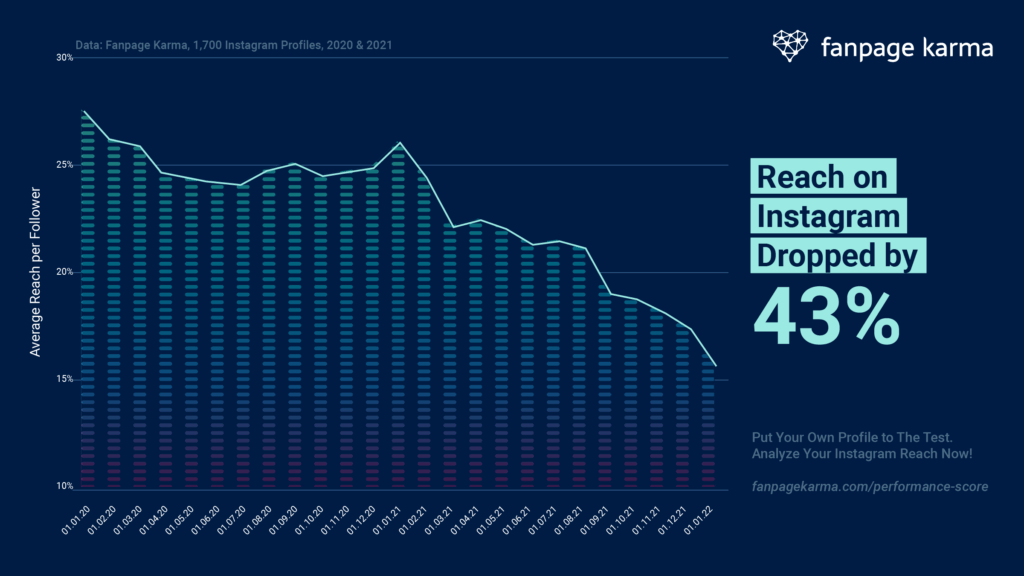
Organic reach has dropped, especially on mature platforms. But storytelling still determines what gets shared, remembered, and trusted, even when paid amplification is involved.
What Actually Separates Scroll-Past Content From Scroll-Stopping Content
According to Laura, good content still comes down to two fundamentals:
1. Does It Make People Feel Something?
AI can generate visuals quickly, but emotion is still hard to fake.
Content that makes people feel inspired, understood, entertained, or informed consistently outperforms content that simply exists to fill a calendar.
If a piece of content feels “produced just to post,” audiences sense it immediately.
2. Does It Deliver Clear Value?
Whether it is education, insight, or practical help, value must be obvious within the first few seconds.
Hooks have not changed. The first three seconds still decide everything. What has changed is how ruthless audiences are about skipping content that does not earn their time.
Short Form vs Long Form: What Works Now?
Attention spans are shorter, but long-form content is not dead.
Laura shared that a 20-minute YouTube series performed well in 2025, but only because it was supported by short-form clips across platforms like Instagram and TikTok.
The lesson is simple:
- Short form earns attention
- Long form builds depth, trust, and authority
Winning brands design content systems, not standalone posts.