
Why retail loyalty programs across Southeast Asia are measuring the wrong thing — and what to do instead.
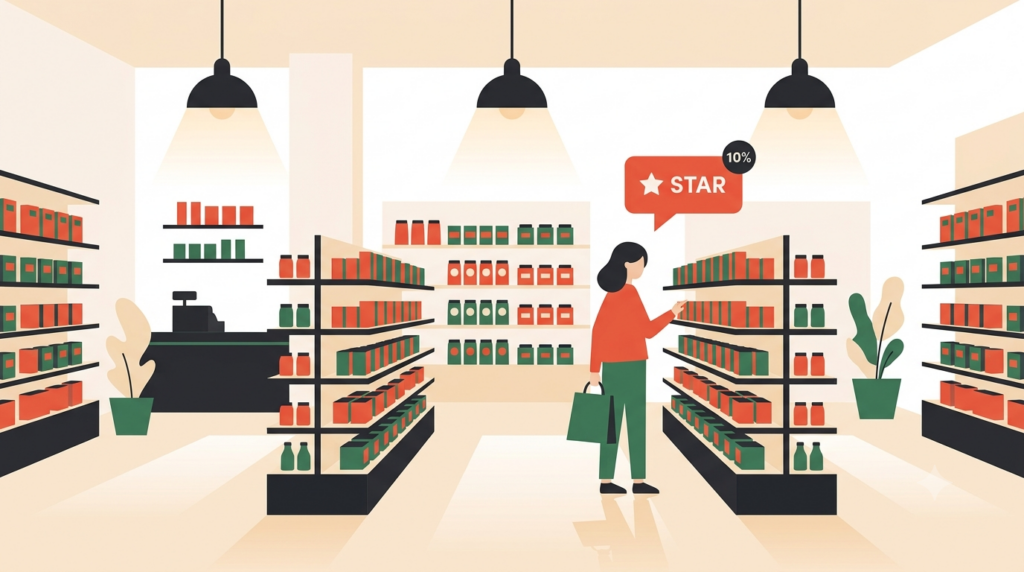
A loyalty program for retail Singapore merchants can look deceptively simple — reward customers, bring them back, grow revenue. But there’s a number most businesses track that quietly gets in the way: purchase frequency. How often someone buys. How many transactions came in this week. Which SKUs moved fastest.
It feels like loyalty data. It isn’t.
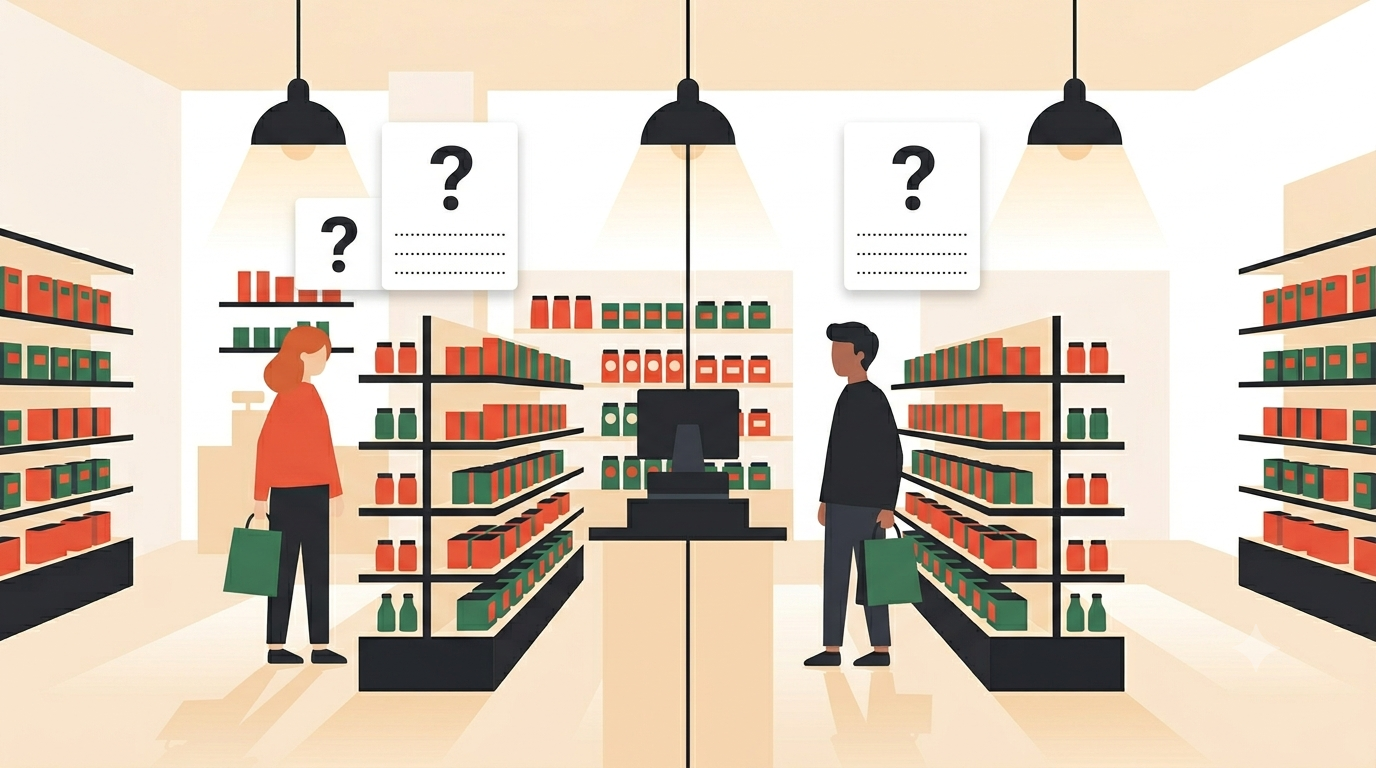
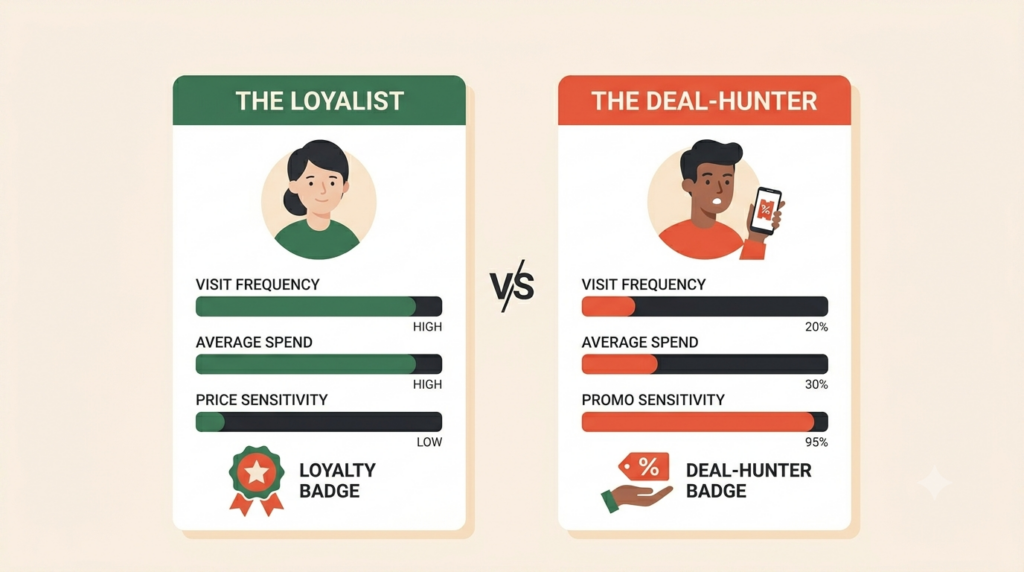
A customer who walks into your store three times a month might be a devoted fan. Or they might be a deal-hunter who’ll switch to the shop next door the moment you stop running promotions. On most retail systems, those two people look identical. Same transaction count. Same revenue line. No way to tell them apart.
That’s the quiet problem at the centre of retail loyalty in Southeast Asia. And it’s costing businesses more than they realise.
Retail has always had a footfall advantage over other industries. Walk-in traffic is real, frequent, and sometimes significant. The problem is that most of it passes through without leaving a trace.
Someone buys a pair of sneakers. The sale records. The inventory updates. The receipt prints. And then they’re gone, with no name, no contact, no way for the business to reach them again.
This happens thousands of times a week across retail stores throughout Singapore, Malaysia, and Hong Kong. Transactions pile up. Customer records stay empty.
Without that identity layer, every new promotion has to start from scratch. You can’t reward someone you don’t know. You can’t bring back a customer you’ve lost track of. And you definitely can’t tell your best buyers apart from your most occasional ones.

Many retailers have tried to solve this with a loyalty programme. Stamp cards. Points per dollar spent. A membership tier with a small birthday discount.
The intention is right. The execution often falls short.
Here’s why: most loyalty programmes in retail are designed around transactions, not relationships. They track spending, not sentiment. They reward the act of buying without ever figuring out who is buying and why.
A customer who collects 500 points and redeems a $5 voucher hasn’t become loyal. They’ve become slightly more incentivised to return. That’s a different thing.
The retailers making loyalty work aren’t just giving away discounts. They’re using their programme to build a picture of each customer over time. What they buy. How often. What brings them back. What causes them to go quiet. That picture is what turns a transaction history into a retention strategy.
The distinction sounds subtle but it changes everything about how you market.
Loyal customers come back because of the experience. They have a preference for your brand. They’re less sensitive to price. When a competitor opens nearby, they mostly shrug.
Frequent buyers come back because of convenience or deals. They’ll follow a promotion to your store just as easily as they’ll follow one away from it.
The problem is that without proper customer data, both groups look the same in your sales report. You only find out who was actually loyal when something disrupts the pattern — a new competitor, a pricing change, a quiet period — and half your “regulars” don’t come back.
A loyalty programme built on the right foundation gives you visibility before that disruption happens. You can see engagement signals, not just transaction signals. You notice when a high-value member starts visiting less often. You can act on it.
Retail businesses that get loyalty right make one fundamental shift: they stop treating their programme as a discount mechanism and start treating it as a customer intelligence system.
When a member walks in, their visit gets recorded. Points are issued automatically. Over time, the business builds a profile — not just “this person spends $X per month” but “this person responds to category-specific offers, visits more in Q4, and hasn’t been in for six weeks.”
That information powers campaigns that actually land. A re-engagement message that goes out at the right moment, to the right person, with something relevant. A tier benefit that means something to a high-spender. A birthday reward that arrives before the month is over, not after.
None of this requires a massive team or an expensive new system. It requires the right platform and a programme structure that was designed to do more than count points.
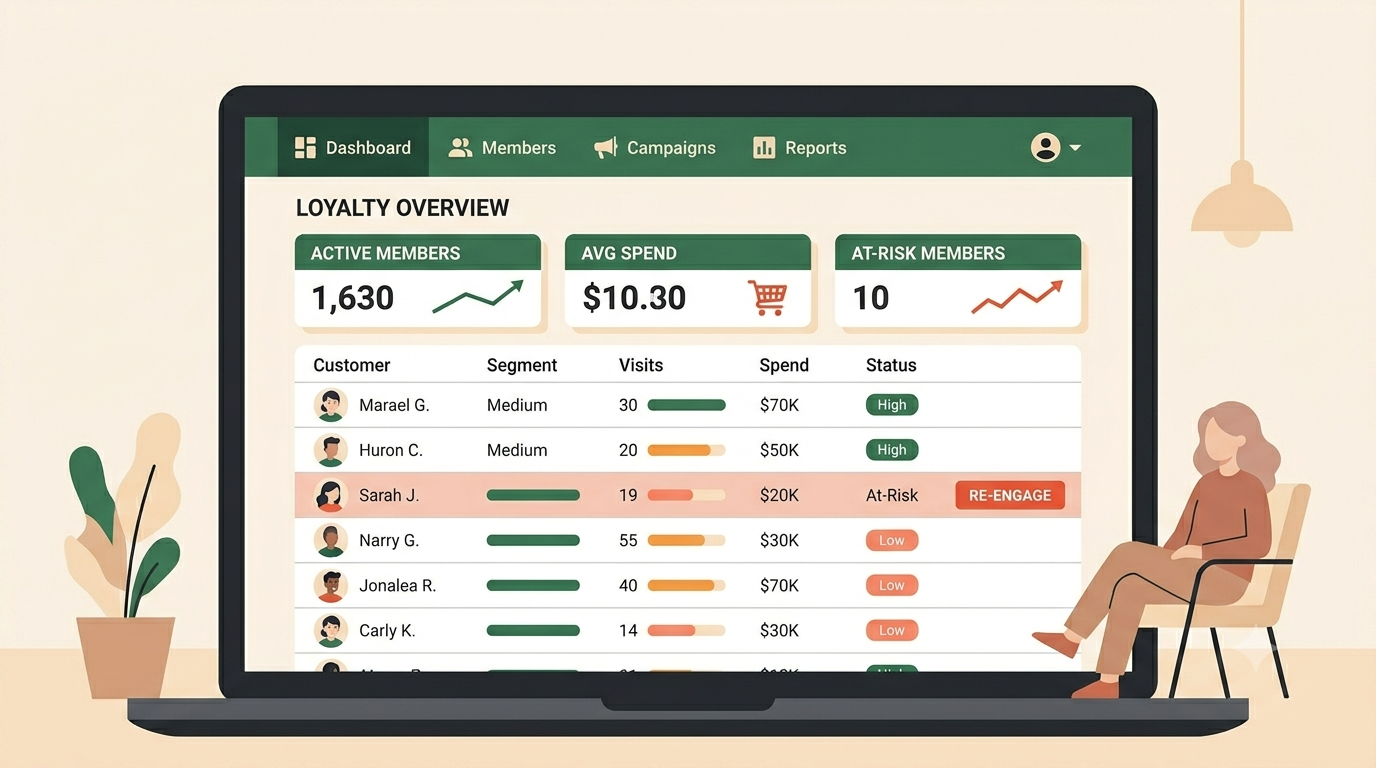
Eber works with retail businesses across Southeast Asia to build loyalty programmes that go beyond the basics. That means connecting with the POS and payment systems merchants are already running on, so member data flows automatically without extra steps at the counter.
It means giving business owners visibility into who their top customers are, which segments are at risk of churning, and what campaigns are actually driving repeat visits.
And it means making the member experience feel effortless — for the customer who just wants their points, and for the staff who shouldn’t have to think about it.
Retail is competitive. Every neighbourhood has more options than it did five years ago. The businesses building real loyalty today aren’t just the ones with the best product. They’re the ones who know their customers well enough to keep them.
If you’re ready to make that shift, we’d love to show you what’s possible.
Stay close to what we’re learning from partners, or explore how we work together:
Get event recaps, product learnings, and partner insights from across the ecosystem.
Have a question or want to explore a potential collaboration?
Leave your details and we’ll reach out.