Enterprise Sales · Vendor Security What Enterprise Buyers Now Evaluate in SaaS Vendors Security used to be question ten in …

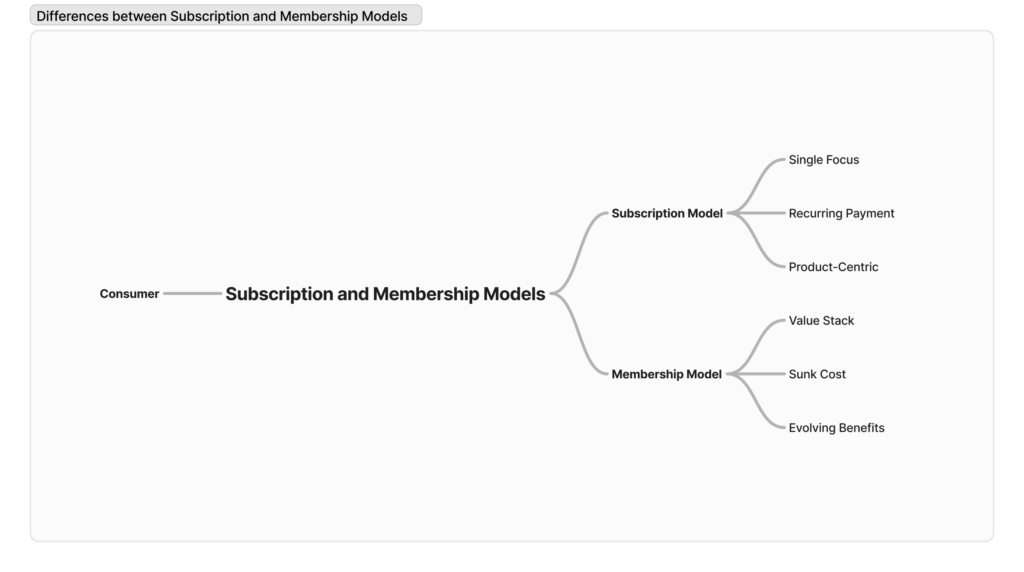
Subscription models are more saturated than ever. From the media we consume, to gym and meal subscription models, this generation is undoubtedly heading towards subscription fatigue.
Forward thinking brands are turning to a powerful alternative: paid memberships.
But what makes memberships so compelling, and why are they outperforming traditional subscription models in terms of customer retention and revenue growth?
The answer lies in consumer psychology and the way these models tap into our deepest decision-making processes.
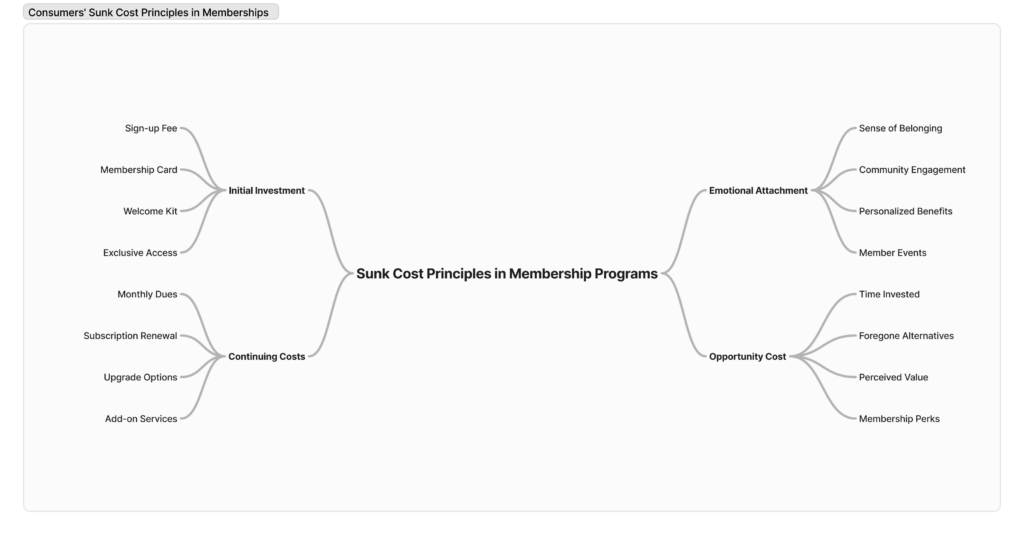
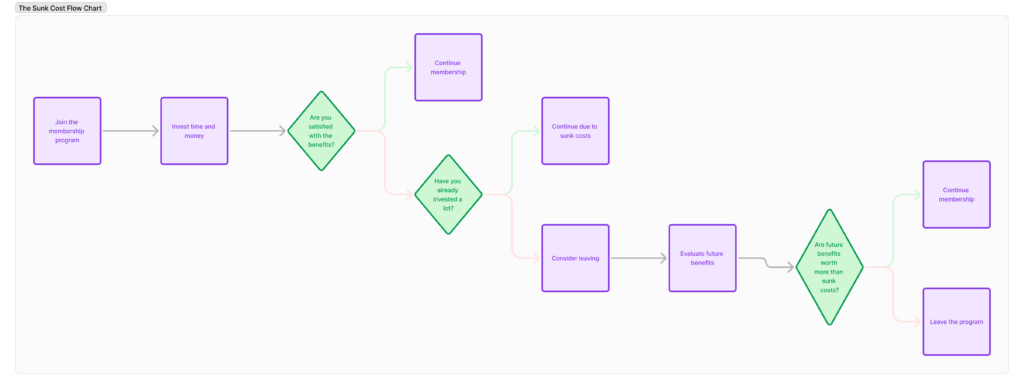
At the heart of the membership model’s success is the psychological principle of sunk cost. And the sunk cost fallacy is essentially a phenomenon that as humans, we have a natural tendency to finish what we’ve started once there’s time, effort, or money involved.
When applied ethically in business strategies, the sunk cost fallacy could be a powerful tool for marketers or even business owners trying to grow revenue and engagement.
Jay Myers, co-founder of Bold Commerce, highlights how successful membership programs leverage this principle to enhance customer loyalty. By reminding users of what they’re getting—and potentially what they’d be missing if they went elsewhere—brands create a strong incentive for continued engagement and reduce churn rates [1].
Spotify exemplifies this customer retention strategy: the more time subscribers spend building playlists and allowing the algorithm to learn their preferences, the harder it becomes to leave the platform, thus increasing customer lifetime value.
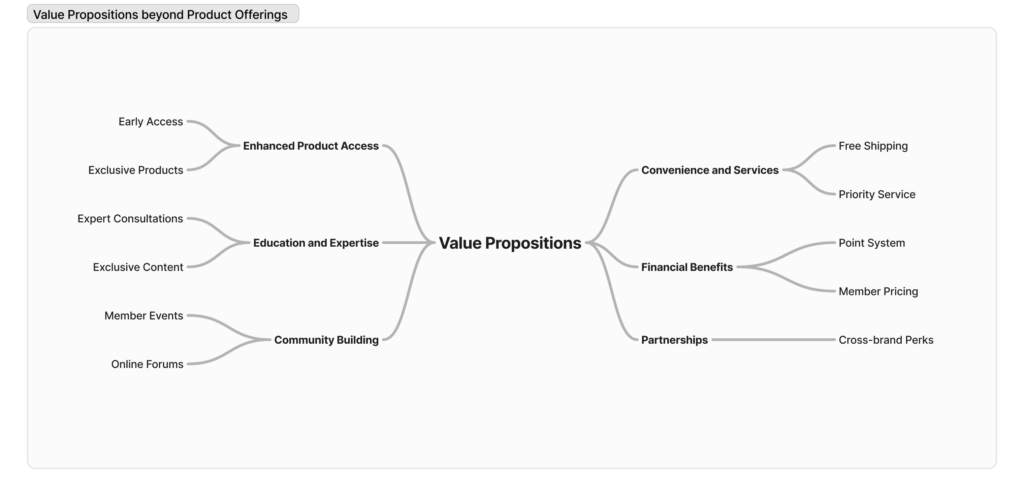
While traditional subscription models often focus on a single aspect—be it replenishment, curation, or access—successful memberships offer a comprehensive “value stack.”
This approach addresses one of the key vulnerabilities of subscription models: the inevitability of subscriber fatigue, which can lead to, you guessed it – high churn rates.
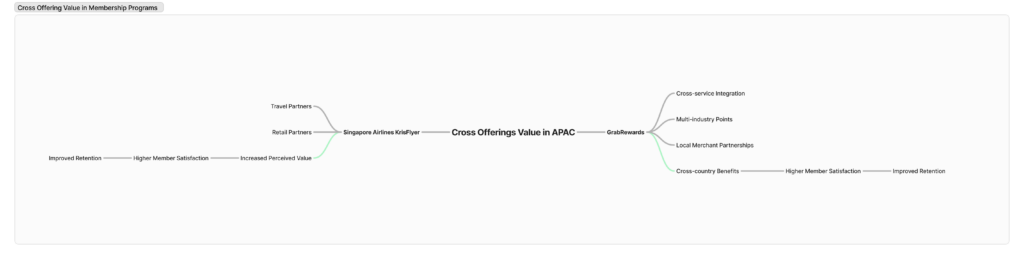
Grab has been one of the pioneers in establishing a growing paid membership program. Its GrabUnlimited membership program serves as a prime case study in membership monetisation within the APAC region.
By offering a suite of benefits across its various services—ride-hailing, food delivery, and digital payments—Grab has created a value proposition that goes far beyond any single service.
Information about Grab’s services and membership program is publicly available through their official website and press releases.
The Perception of Increasing Value through Monthly Payments
Creating engaging membership programs requires a touch of creativity and to deliver value directly to your customers’ needs, here are some strategies to consider:
A key strategy in successful membership programs, particularly evident in the APAC/SEA region, is continuously increasing the perceived value without significantly impacting the company’s bottom line. This is often achieved through strategic partnerships and negotiated benefits.
For example:
As we’ve explored throughout this article, paid memberships are outperforming traditional subscription models for several key reasons:
Psychological Buy-In
Getting your customers emotionally invested works in favour for your membership programs. Unlike subscriptions, which can feel like recurring bills, memberships build a sense of belonging and investment.
Building True Value Stacks
True value stacks go beyond monetary value, enabling a holistic perspective when curating your program experience will relief your program of subscription fatigue.
Increasing the Value to Cost Ratio
Adding on to point 2, programs that seek out partnerships and external value adds are able to create the perception of continuously increasing value, often without significantly impacting the company’s bottom line. Creating a sustainable, win-win situation.
The shift from subscriptions to memberships represents a fundamental change in how businesses are approaching customer relationships, and the ones who are locking in a single value subscription program is at risk of losing that emotional connection with their consumers.
As we move forward the coming year, businesses are leveraging memberships and experience driven campaigns to drive long term brand recognition, engagement, and loyalty.
Enterprise Sales · Vendor Security What Enterprise Buyers Now Evaluate in SaaS Vendors Security used to be question ten in …
Eber Platform · Data & Identity PII Mastering: The Unsexy Feature That Makes Personalisation Actually Work Everyone wants personalisation. Fewer …

2020年由零開始打造家庭品牌:Bimbo Concept 創辦人 Elaine So 談「有家感覺」的零售 創辦人專訪 · Bimbo Concept 2020年由零開始打造家庭品牌:做一間有家感覺嘅店 Elaine So 喺全球疫情最嚴峻嘅時候創立兒童生活品牌。佢建立嘅唔單止係一間店,而係一個令家長同小朋友都想一再回來嘅地方。呢個係實體零售最強留客工具背後嘅故事。 Peggy Hong· 2026年6月· 閱讀約8分鐘 睇全文 ↓ 2020年,大部分有理性嘅創業計劃都唔會揀喺呢一年開實體零售品牌。 全球供應鏈嚴重受阻,消費者開支急劇收縮,香港本身亦面對特殊嘅不確定性。等等、等個市場清晰啲、等個環境穩定啲、等個時機唔咁嚇人,呢啲理由係完全成立嘅。 …