Why Your Loyalty Portal Pages Take So Long to Update (And How to Fix It) Product Update · Portal Pages Why Your …

Elaine So launched a children's lifestyle brand during a global pandemic. What she built instead of a store is a lesson in why physical retail's most powerful retention tool is the feeling it creates.
2020 is not the year most rational business plans would choose to launch a physical retail brand.
Global supply chains were fractured. Consumer spending was contracting. Hong Kong was navigating its own particular uncertainties. The case for waiting. for a clearer market, a more stable environment, a less frightening moment. was overwhelming.
Elaine So opened Bimbo Concept anyway. And in doing so, she made a decision that turned out to be correct not despite the circumstances, but partly because of them: parents in 2020 were not looking for another transactional retail experience. They were looking for spaces that felt considered, human, and worth bringing their families to.
Today, Bimbo Concept has grown beyond anything a conventional children's retail brand looks like. There's a playroom, workshops, family events, parenting classes, and spaces specifically designed for parents to slow down and spend time together. not just consume. We spoke with Elaine about how she built it, what retention actually means for a family brand, and what children have unexpectedly taught her about running a business.
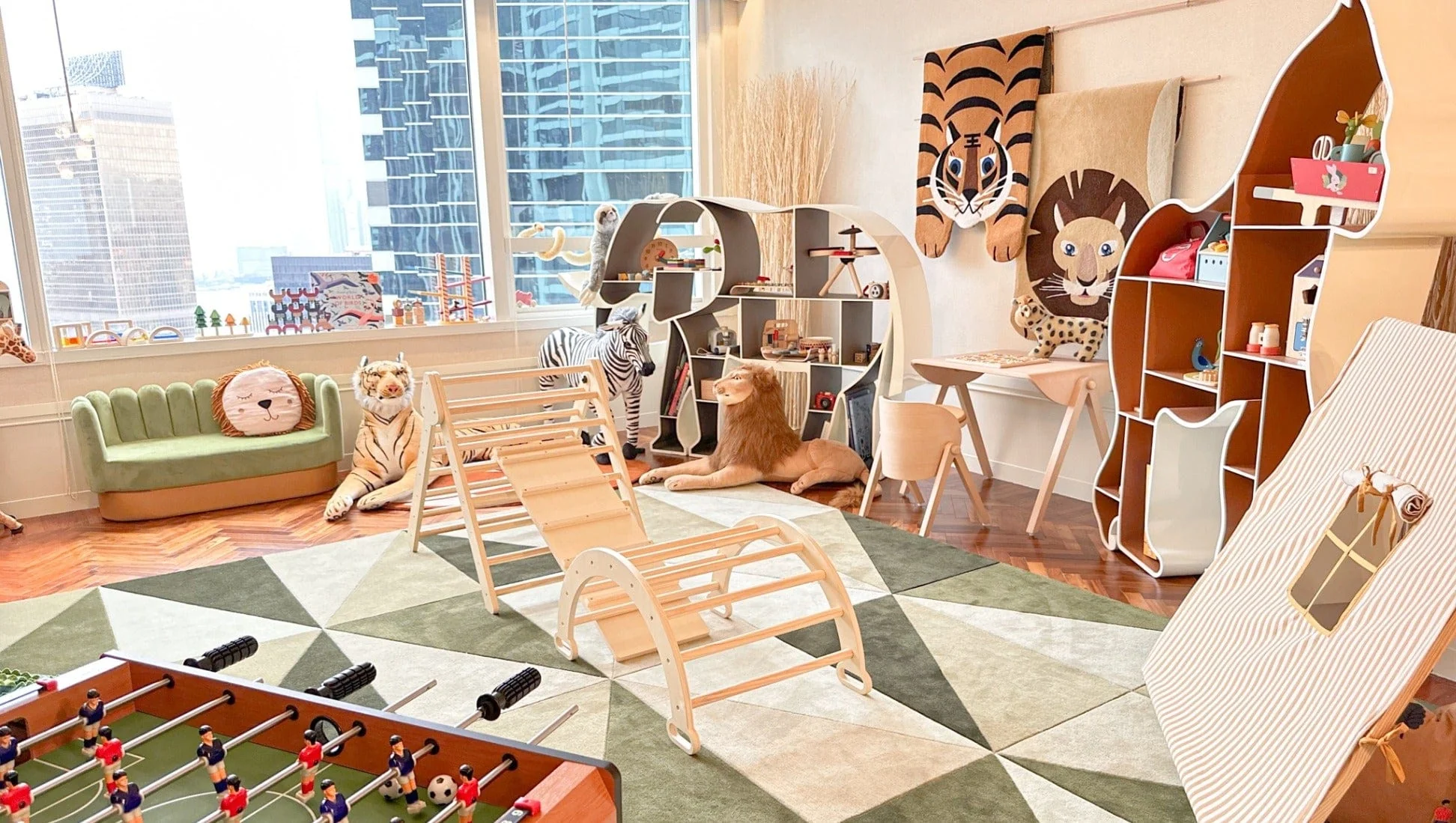
Before Bimbo Concept existed, Elaine was a Hong Kong parent shopping for children's products. The experience frustrated her in ways that were specific and articulable. Not the product quality. Hong Kong has no shortage of premium children's goods. The frustration was the experience itself: sterile, transactional, designed for efficiency rather than the actual reality of shopping with a young child.
Most children's retail in Hong Kong was either heavily commercial. international chains with generic layouts and aggressive upselling. or boutique but limited, strong on curation but weak on the experience around the product. Neither model treated the shopping trip as something a family might actually want to spend time doing rather than completing as quickly as possible.
The second frustration was deeper: Elaine couldn't find a children's brand that reflected her values as a parent. She was increasingly conscious of sustainability, of buying intentionally rather than impulsively, of choosing products that had thought behind them. The market was beginning to move in this direction but Hong Kong's family retail sector had not kept pace.
"We're not just building a store. We're building an environment families want to return to."
Elaine So, Founder · Bimbo ConceptBimbo Concept's expansion from retail into programming, events, and community space wasn't fully planned from day one. Elaine describes it as an organic response to what families actually needed once they started coming through the door.
The store created proximity. Parents would bring their children, spend time browsing, and stay longer than a typical retail visit because the space was designed for unhurried exploration rather than efficient transaction. In that extended time, something happened: parents started talking to each other, asking questions, building informal connections around shared parenting experiences.
Elaine recognised this as a signal, not a side effect. The community was forming spontaneously because the need was real. What followed. the playroom, the workshops, the family events. was a deliberate decision to formalise and programme what was already happening informally. Bimbo Concept didn't create a community and then build a store. It built a store and then noticed the community forming, and chose to nurture it.
The narrative that physical retail is dying in the age of e-commerce misses something important about what physical retail does at its best. The products available at Bimbo Concept are, in theory, available online. The reason families come back. and keep coming back. isn't because the products aren't available elsewhere. It's because the experience of being in the space isn't available elsewhere.
Sociologists use the term "third place" for spaces that are neither home nor work. the café, the library, the community centre. that serve important social and psychological functions in people's lives. Family retail at its best functions as a third place for parents: somewhere to bring children, to spend unstructured time, to connect with other families navigating similar life stages.
Bimbo Concept has built this deliberately. The physical space is designed not just to display products but to invite lingering. seating for parents, areas where children can explore, programming that gives families a reason to visit even when they're not buying anything. This is the retention architecture that no loyalty program can replicate: the space itself earns the repeat visit.

Elaine counts parents who visit Bimbo Concept for events or classes. not purchases. as among her most valuable retention signals.
These non-transactional visits build relationship depth that eventually converts to purchase intent and referral at rates significantly higher than customers who only engage when they're buying.
The sustainability dimension of Bimbo Concept's curation reflects a genuine shift in how Hong Kong parents are approaching consumption for their children. Five years ago, sustainability in children's retail was a premium niche. Today, it's becoming a baseline consideration for a growing segment of consumers. parents who are thinking carefully about what they bring into their homes and what signals those choices send to their children.
Elaine sees this not as a trend but as a structural shift in parenting culture. The parents who shop at Bimbo Concept aren't primarily motivated by sustainability as an ideology. They're motivated by quality, intentionality, and the desire to make purchases they feel good about. and sustainability is a proxy for all three. A product that is sustainably made is more likely to have been thoughtfully designed, more likely to last, and more likely to represent good value over time.
This has implications for how Bimbo Concept curates and communicates. The story behind a product. its maker, its materials, its longevity. is as important as the product itself. Customers who understand why something is on the shelf at Bimbo Concept are more likely to buy it, recommend it, and return for more products that have earned the same trust.
Elaine's answer to this question is one of the more memorable things she shared with us. Children, she observed, don't perform loyalty. They don't come back to a space because they accumulated points or because they feel obligated. They come back because they genuinely want to. Their repeat behaviour is a pure signal of whether an experience delivered what it promised.
Running a brand where children are a constant presence has trained Elaine to watch for that signal carefully. When children ask to come back. not when their parents decide to bring them, but when the children themselves want to return. something real has been created. That's the quality of loyalty she's trying to build with adults too.
The hardest part of building Bimbo Concept, she says, isn't visible from the outside: it's the constant discipline required to say no to opportunities that don't serve the core community. As the brand has grown, the pressure to expand in directions that would generate revenue but dilute the experience has increased. The decisions to decline these opportunities are the ones that maintain the integrity of what Bimbo Concept is for.
The most meaningful retention signal at Bimbo Concept, in Elaine's view, isn't purchase frequency or points redemption. It's the quality of engagement between members and the brand.
These signals are harder to measure than transaction data, but they're more predictive of long-term retention. A customer who trusts your brand's judgment and shares your values is a customer with a very high switching cost. not because the alternatives are bad, but because the relationship with your brand is genuinely irreplaceable.

This article is based on a conversation with Elaine So, Founder of Bimbo Concept.

Why Your Loyalty Portal Pages Take So Long to Update (And How to Fix It) Product Update · Portal Pages Why Your …

Identity Retention: Why Your Best Customers Stop Comparing The Eber Show · Identity Retention Identity Retention: Why Your Best Customers Stop Comparing …

The Eber Show · Retention Playbook Three Categories, Three Conversations, One Retention Principle Between July and August we recorded three …