Eber Insights · Wellness & Retention Wellness Member Retention: Why Art Piece Doesn’t Compete on Discounts Most wellness brands in …

Senior Marketing Lead Patrick on paid membership, the emotional occasion strategy, and why the best restaurant loyalty programs are built around feelings, not food.
Outback Steakhouse has been a fixture in Hong Kong dining for years. Casual, generous, reliably good — and carrying genuine emotional associations for a significant portion of local diners.
Birthday dinners. Family celebrations. The place you went after an exam. These aren't manufactured associations. They're earned through years of consistent experience.
But earned associations don't automatically translate into sustainable loyalty. Hong Kong's F&B market has diversified dramatically. The city now has more steakhouse options, more casual dining alternatives, and more delivery-first competitors than at any point in its history. Staying top-of-mind — and top-of-consideration — requires something more than a good menu and a recognisable brand.
Patrick, Outback Hong Kong's Senior Marketing Lead, has been working through exactly this challenge. His team's approach — shifting from traditional points-based loyalty to a paid Prestige membership model — offers a case study worth examining for any F&B operator navigating a maturing market.
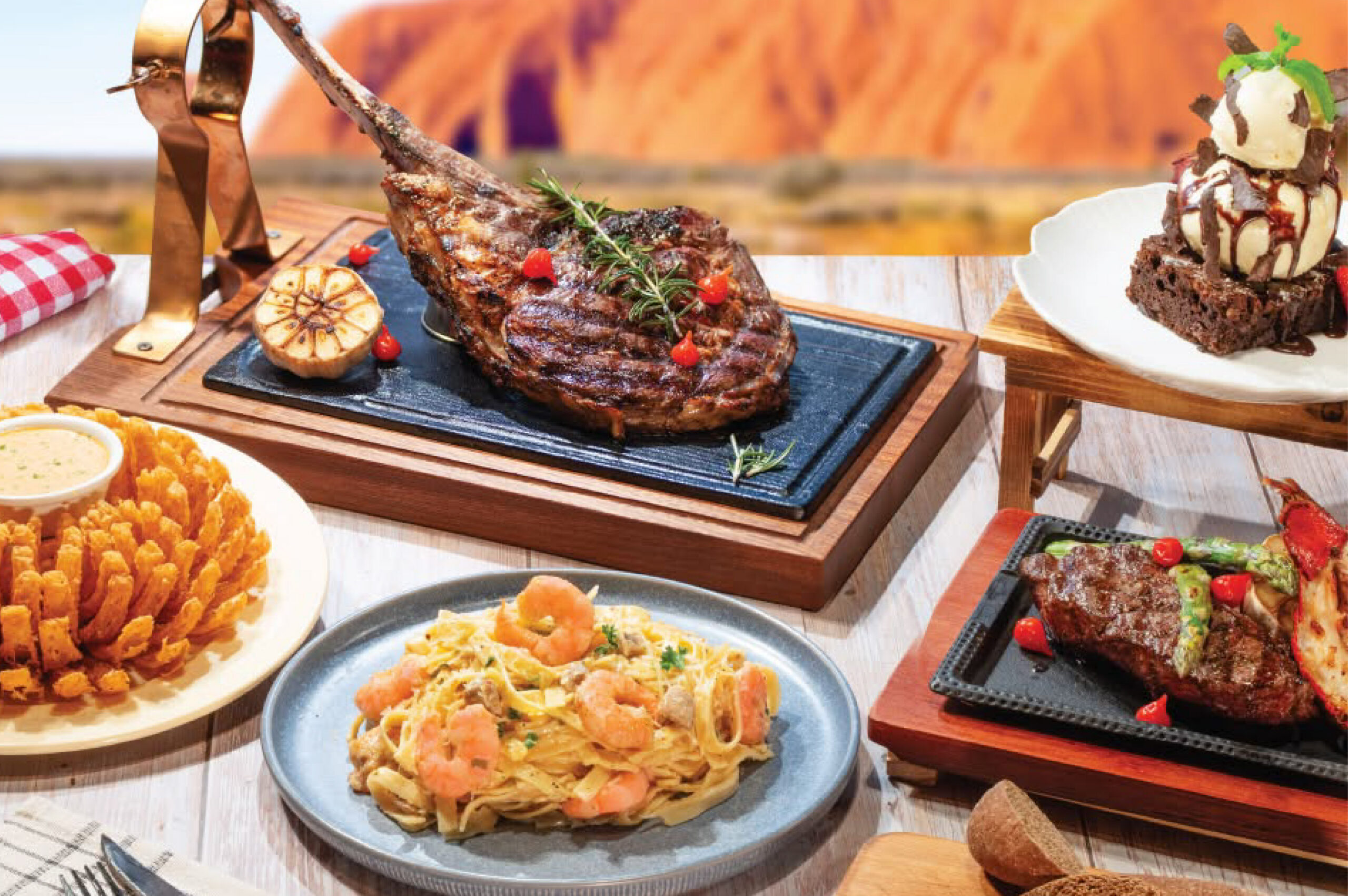
Points programs are the default loyalty mechanism in Hong Kong's F&B sector. They're familiar, easy to communicate, and easy to redeem. They're also, at this point, table stakes — almost every restaurant chain runs some version of a points system, which means they're differentiating almost no one.
When every competitor offers points, the program stops being a reason to choose your brand and becomes a feature customers expect regardless of where they go. The points themselves become commodified. Customers accumulate them passively, redeem them occasionally, and switch brands when the food or the experience gives them a reason to.
Patrick identified this dynamic clearly. Outback's points program was doing exactly what it was designed to do — rewarding transaction frequency — but it wasn't building the kind of relationship that changes consideration. Members who collected points still chose competitor restaurants when they had occasion-driven dining needs, because the points weren't connected to the emotional context of those occasions.
"A restaurant worth remembering isn't remembered for the food. It's remembered for how it made you feel."
Patrick, Senior Marketing Lead · Outback Steakhouse Hong KongThe decision to introduce a paid membership tier — Prestige — was not a small one. Asking customers to pay upfront for membership benefits is a fundamental shift in the brand's relationship with its audience. It requires the offer to be genuinely valuable, and it requires customers to trust the brand enough to commit before experiencing the benefits.
But paid membership has a powerful psychological property that free points programs lack: it creates active commitment. A customer who has paid for membership has already chosen Outback. They are not neutral. They are invested — literally — in getting value from the relationship. This changes how they approach dining decisions. Instead of choosing where to go for dinner and then remembering they have Outback points, they start from a position of Outback loyalty and decide whether the occasion fits.
The Prestige tier was designed around experiences rather than discounts. Priority booking, exclusive events, curated experiences for celebration occasions — these are benefits that have no cash equivalent, which means they can't be matched by a competitor simply offering a bigger discount. They build loyalty through memorability, not price.
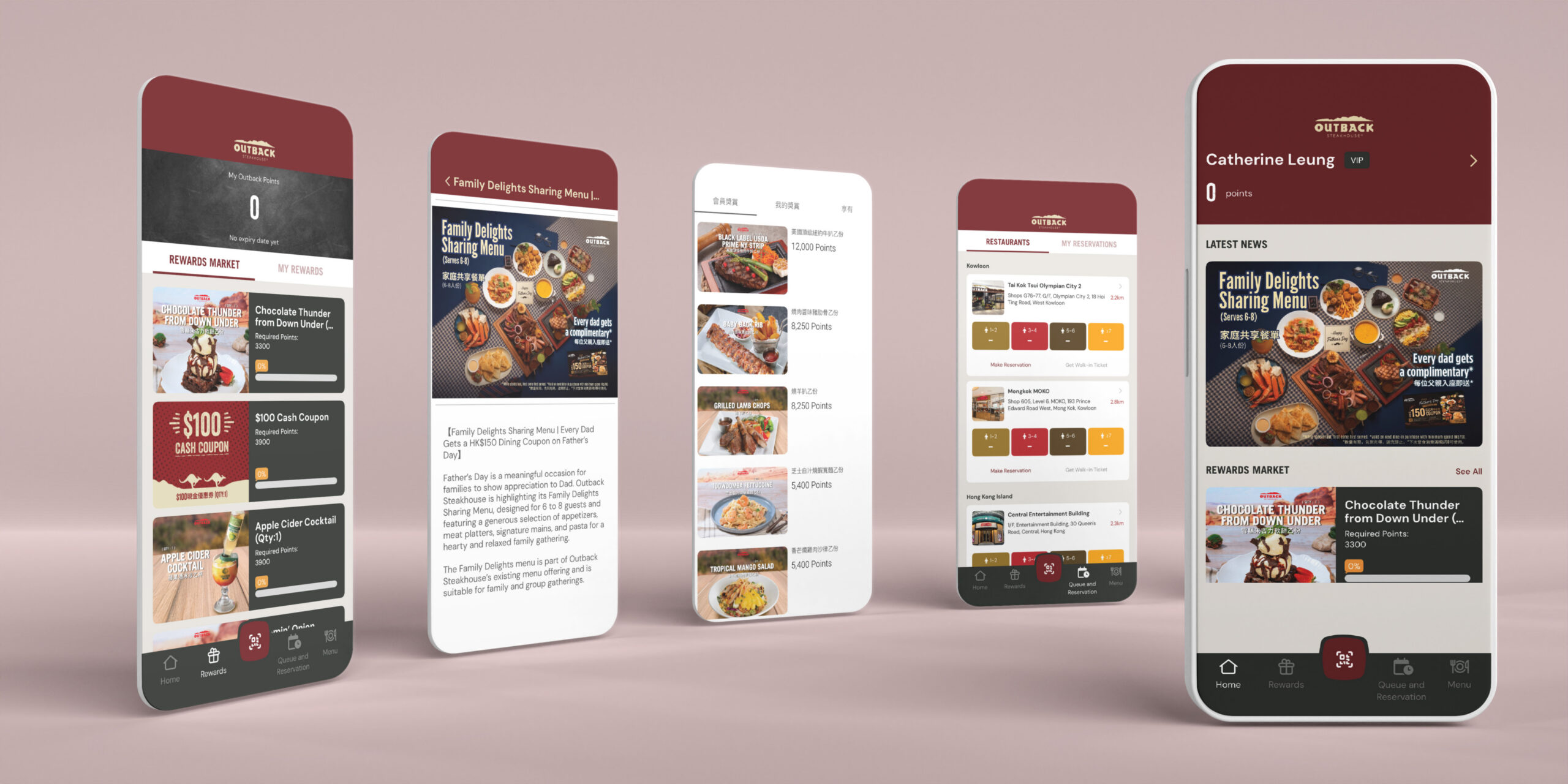
The most valuable customer segment for a casual dining brand isn't the person who eats out frequently — it's the person who chooses your restaurant for meaningful occasions. Birthdays, anniversaries, work celebrations, family milestones. These visits have higher average spend, higher emotional salience, and — critically — higher social reach. The customer who brings eight people for a birthday dinner is worth multiples of their individual spend.
Outback has a genuine advantage in this segment. The brand already carries celebration associations for many Hong Kong diners. Patrick's strategy is to strengthen those associations deliberately rather than allow them to fade as the dining landscape changes.
This means designing specific member experiences around occasion moments: personalised recognition, special menus, event-oriented communications. It means training staff to handle celebration visits in ways that generate memorable moments, not just adequate service. And it means using member data to understand which occasions Outback currently owns — and which it's losing to competitors.
Review your last 90 days of member data. Segment visits by occasion type — celebration, routine, impulse — and calculate LTV by segment.
Celebration visitors almost always generate higher referral rates and higher average spend. Design your loyalty program around them specifically, not around the average visit.
The shift to Prestige membership has changed how Patrick's team uses data. A points program generates transaction data — what was ordered, when, at which location. Useful, but primarily operational. A relationship-oriented membership generates something more interesting: behavioural signals about how members relate to the brand over time.
Which members are engaging with exclusive events? Which are bringing their family groups versus colleague groups? Which are booking for celebration occasions versus routine visits? These patterns tell a different story about brand health than transaction frequency alone, and they create different marketing opportunities.
Patrick describes a shift from using CRM data to execute campaigns to using it to understand the brand's role in members' lives. The campaigns come second. The insight comes first. This is a meaningful evolution for an F&B brand, and it's one that most point-based programs don't enable because they generate the wrong kind of data.
| Points-era question | Prestige-era question |
|---|---|
| How many points did they redeem? | Which occasion brought them in? |
| How often did they transact? | Who did they bring with them? |
| What discount moved them? | What experience made it memorable? |
| Are members accumulating points? | Are members engaging with events? |
Hong Kong's restaurant operators are working under persistent cost pressure. Labour, rent, and food costs have all moved in one direction. The temptation is to manage margins through service reduction — fewer staff, reduced training investment, a leaner experience. This is the path most likely to erode the brand equity that justifies Prestige membership in the first place.
Patrick is clear that the brand consistency Outback requires — the warmth, the generosity, the celebration orientation — is non-negotiable even under cost pressure. A brand that has asked customers to pay for membership has made a promise. The operational investment required to keep that promise is what differentiates a loyalty program from a subscription that customers cancel.

"A brand that has asked customers to pay for membership has made a promise."
Patrick, Senior Marketing Lead · Outback Steakhouse Hong KongOutback's evolution offers a template for any restaurant brand considering the move from transactional to relational loyalty.
In Hong Kong's increasingly competitive dining landscape, the restaurants that survive won't be the ones with the most attractive points programs. They'll be the ones that have made themselves genuinely irreplaceable for the moments that matter most to their customers.
This article draws on commentary from Patrick, Senior Marketing Lead at Outback Steakhouse Hong Kong.
Eber Insights · Wellness & Retention Wellness Member Retention: Why Art Piece Doesn’t Compete on Discounts Most wellness brands in …

Enterprise Sales · Vendor Security What Enterprise Buyers Now Evaluate in SaaS Vendors Security used to be question ten in …
Eber Platform · Data & Identity PII Mastering: The Unsexy Feature That Makes Personalisation Actually Work Everyone wants personalisation. Fewer …