
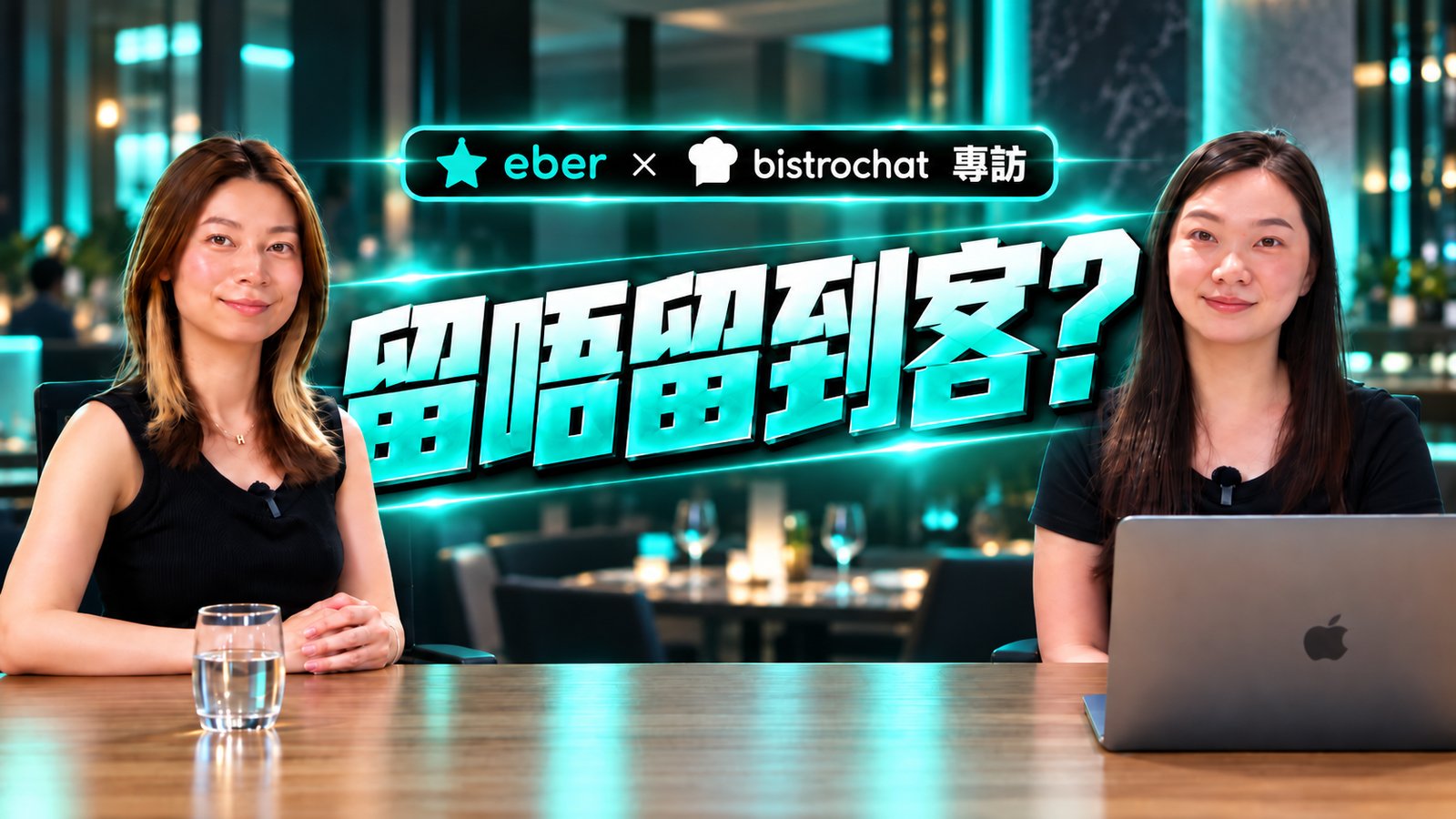
餐廳訂座系統點樣留住熟客?訂座同會員系統打通 | Eber × Bistrochat 專訪 Eber Connected · Bistrochat 唔止訂枱咁簡單:餐廳點樣記得每一位熟客? 香港人出街食飯,要求越嚟越高。今集我哋請到 Bistrochat 嘅 Head of Sales Candy,傾下餐廳點樣透過訂座系統同會員系統,記得每位客人嘅喜好,令佢哋有賓至如歸嘅感覺,一次又一次返嚟。 Eber × Bistrochat· 嘉賓:Candy,Head …

Enterprise Sales · Vendor Security
What Enterprise Buyers Now Evaluate in SaaS Vendors
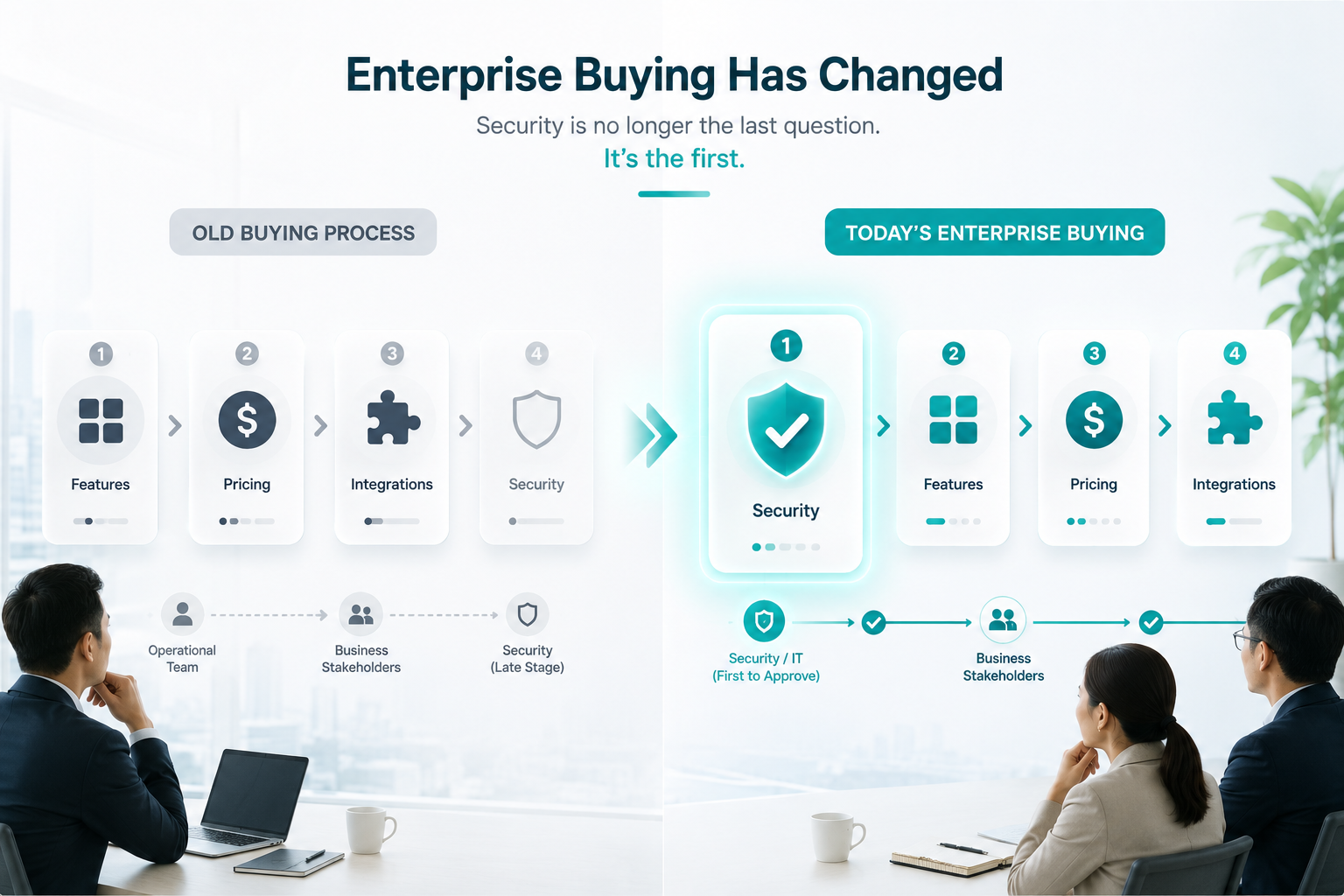
Security used to be question ten in a vendor evaluation, somewhere after feature checklists, pricing, and integration compatibility. For a growing share of enterprise buyers across APAC, it's now question one.
The old checklist is still there. It's just no longer first.
Feature parity, pricing, integration support, and service-level agreements all still matter to enterprise buyers. What's changed is the order they get evaluated in. More procurement processes now start with a security and data-handling screen before a vendor is even invited to demo. Fail that screen, and the feature comparison never happens.
This shift tracks with what's visible in the broader market: more data breaches making headlines, more regulatory scrutiny across the region, and more procurement teams that report into a security or compliance mandate rather than a pure budget mandate.
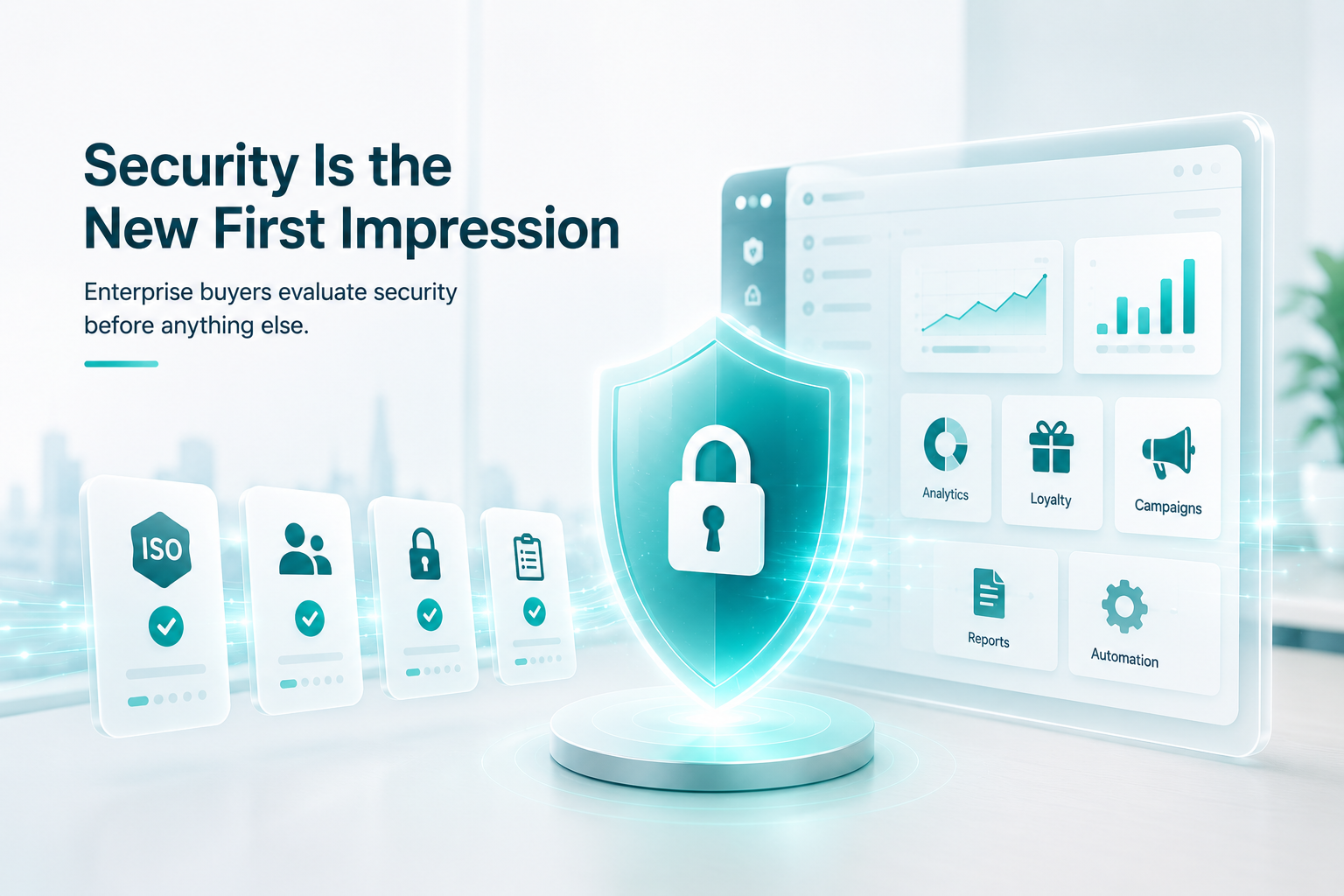
The new gate
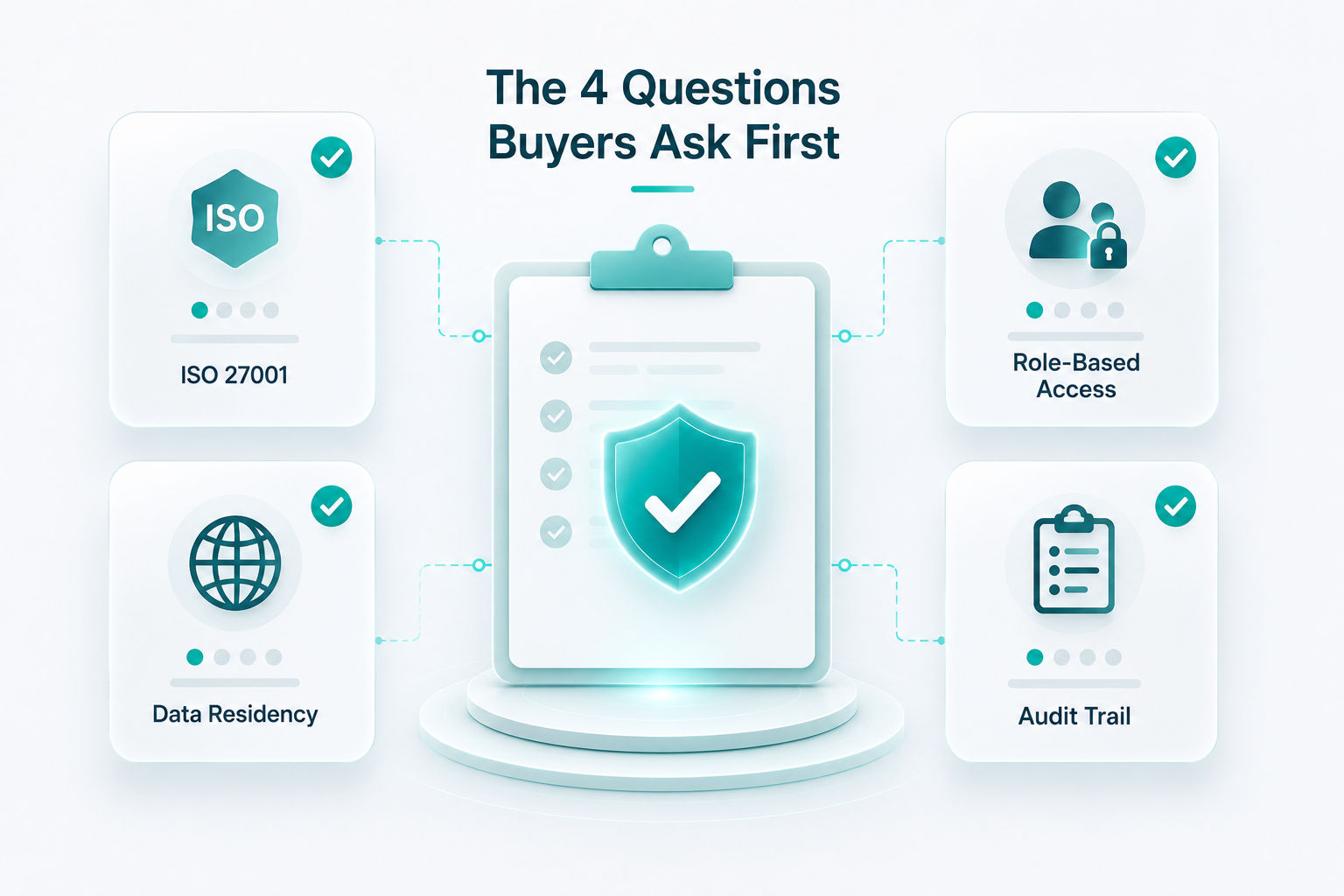
Four Questions Buyers Ask Before Anything Else
Question 1
Do you have a recognized security certification?
ISO 27001, or an equivalent internationally recognized standard, has moved from differentiator to baseline filter. Vendors without a current certification are frequently cut before the demo stage, regardless of how strong the product itself is.
Question 2
Can you control access by role, not just by login?
Buyers increasingly ask specifically about role-based access control: can the platform limit what each team member can see and do, based on their function, rather than granting broad access to anyone with valid credentials. A yes/no answer to "do you have login security" is no longer sufficient.
Question 3
Where does our data live, and what happens to it?
Buyers want specifics: where data is stored, how long it's retained, what the deletion process looks like if the contract ends. Vague or evasive answers here are treated as a red flag, not a minor gap.
Question 4
Can you show us an audit trail?
The ability to demonstrate who changed what, and when, matters both for the buyer's own internal compliance requirements and for troubleshooting when something goes wrong. Vendors that can't produce this on request struggle to pass procurement review, even with a strong product.
Who's in the room
Security Teams Are Now Part of the First Meeting
Perhaps the clearest sign of this shift: vendor evaluations that used to sit entirely with marketing or operations teams now regularly include a security or IT stakeholder from the very first meeting.
That person isn't there to evaluate features. They're there to evaluate risk, and their sign-off is frequently a precondition for the deal to move forward at all.
Being unprepared for security questions isn't a minor gap in enterprise procurement. It's a disqualifying one.
The vendor takeawayWhat this means for vendors
Demo-Ready Means More Than a Product That Works
If your security posture isn't demo-ready, meaning documented, current, and something your sales team can speak to confidently without looping in engineering, you're at risk of losing enterprise deals before your product is ever meaningfully evaluated.
In markets where buyers increasingly lead with security questions, being unprepared for them isn't a minor gap. It's a disqualifying one.
- Can your sales team explain your certification status without checking with engineering first?
- Can you describe your role-based access controls in one sentence?
- Do you know, off the top of your head, where customer data is stored and how it's deleted on offboarding?
- Can you produce an audit trail on request, today, without a special build?
Curious how Eber approaches security architecture, from ISO 27001 certification to role-based access control? See our security page →

Restaurant Reservation System + Loyalty: Beyond the Booking | Eber × Bistrochat Eber Connected · Bistrochat Beyond the Booking: Why Your Reservation …
WhatsApp for Customer Retention: From Broadcast to Conversation | Eber × Wati Eber Connected · Wati From Broadcast to Conversation: Making WhatsApp …