

Outback x Eber: 7 Strategies That Drive Restaurant Repeat Visits
Restaurant customer retention is broken at most F&B brands. Most loyalty programs train customers to wait for discounts. Outback Steakhouse Hong Kong took a different approach. and ended up with a 90% active member rate and 6,000 new signups in a single month.

Let's be honest. Most restaurant loyalty programs are just discount machines dressed up with an app.
You sign up, you get a coupon, you maybe use it once. Then you forget about it. Sound familiar? That's what happens when a loyalty program is built around promotions instead of actual relationships.
We sat down with Patrick, the Marketing Lead at Outback Steakhouse Hong Kong, on The Eber Show to talk about how they've built something very different. And if you're running a membership or loyalty program for your brand. or thinking about starting one. there's a lot here worth paying attention to.
Why Your Loyalty Program Probably Isn't Working
Here's something worth thinking about. The core challenge with restaurant customer retention is this: when a customer gets a discount voucher from you, what are you actually training them to do? You're teaching them to wait for the next discount before they come back. That's not loyalty. That's just deal-seeking behaviour.
The brands that get retention right think about it differently. Instead of asking "what offer can we send this week," they ask "do we actually know who our customers are, what they care about, and what would make them want to come back on their own?"
Those are completely different questions. And they lead to completely different programs.
Patrick put it really well when we spoke. He said membership isn't just a channel for pushing out offers. It's how you build a real, long-term relationship with your customers. And if you think about it, that one shift in mindset changes everything downstream.
"Membership isn't just a channel for using offers. It's the foundation for building a long-term relationship between the brand and the customer."
Patrick, Marketing Lead · Outback Steakhouse Hong KongThe Three Things Every Good Loyalty Program Actually Does
When I look at the brands that have figured this out, there's a pattern. Their loyalty programs aren't just one thing . They're really doing three things at once. Most brands only manage to build one or two of them. That's usually why it doesn't stick.
It knows who your customers are across visits, not just transactions
Think about what you actually learn from a walk-in customer. You get one bill. That's it. But a member? A member shows you a pattern. When did they last come in? What offers got them to act? Are they a new face or a regular who's quietly drifting away?
That's the data that makes everything else possible. Without it, you're sending the same message to a first-time visitor and your most loyal customer. and calling it CRM.
It shows up at the right moment, not just whenever you have something to say
Here's a question worth asking yourself. How many dining brands does your customer follow? Probably more than they can keep track of. So the question isn't whether your food is good. It's whether you're showing up in their head when they're deciding where to go.
That's what a proper loyalty program does. It reaches out at the moments that matter : a birthday month, a lapse in visits, a member milestone. Not a mass blast because it's the first of the month. That's the shift from broadcast marketing to actual CRM.
It makes customers want to use it again, not just once
This is the one most brands miss. The real test of a loyalty program isn't how many people sign up. It's whether they come back to use it a second time. And a third.
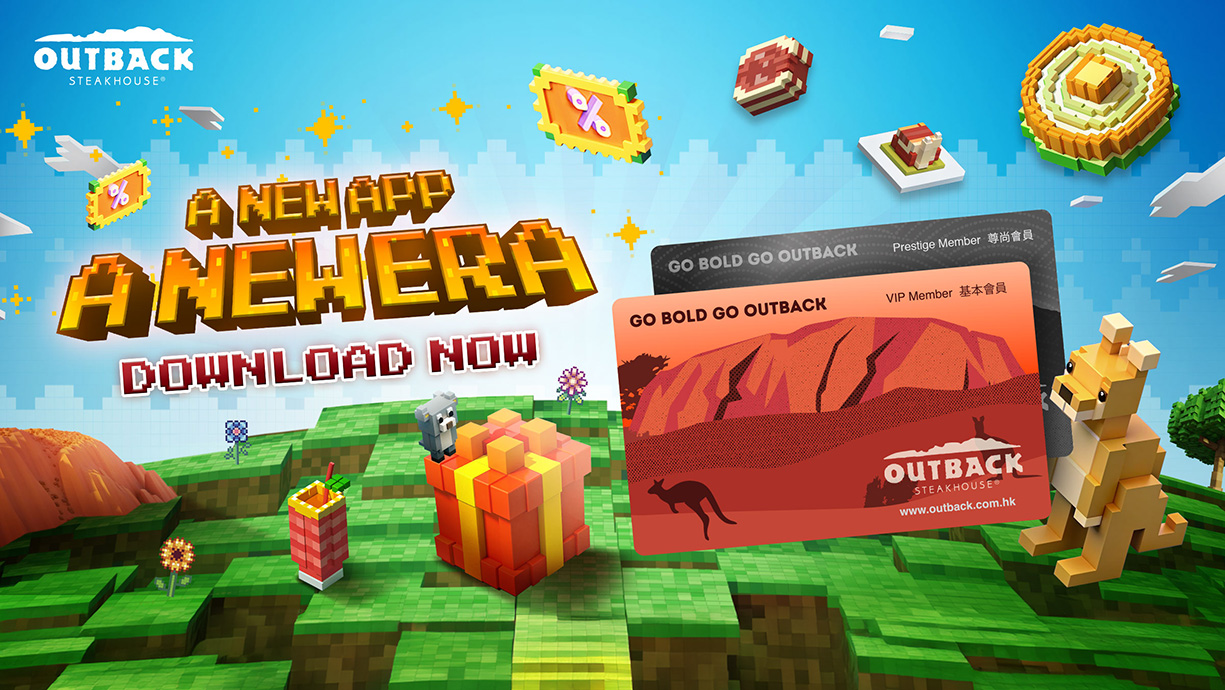
Outback figured this out with something really simple. When they launched their app booking feature in September 2025, they didn't just add a button. They tied a reward to it. Members who booked through the app and got seated received a free Bushman Bread . Automatically triggered the moment they were seated, delivered through Eber.
Book through the app. Visit the restaurant. Get a surprise reward. Book through the app again. That's the loop. And it's not a discount. It's a habit.
Want to see what that loop looks like from start to finish?
via app
gets seated
fires
books again
Free vs Paid Membership. Why You Probably Need Both.
Here's something a lot of brands get wrong. They build one tier, make it free, and wonder why nobody's engaged. Or worse, they make everything paid and can't grow the base.
Outback runs two tiers on purpose. Each one does a different job.
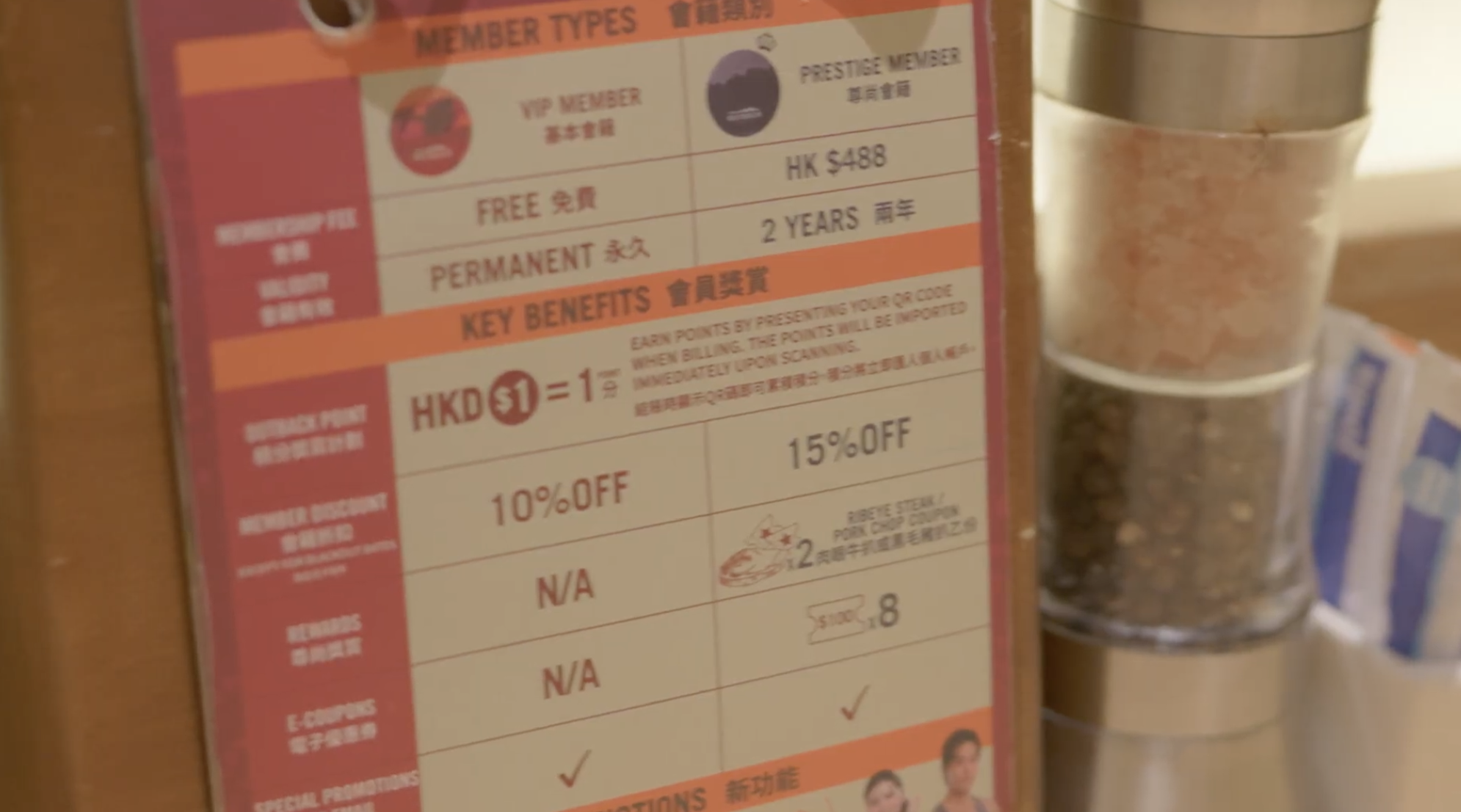
"When a customer is willing to pay, it means they themselves will keep using the brand."
Patrick, Marketing Lead · Outback Steakhouse Hong KongThink about what a 90% active rate actually means. That's not a number you get by accident. That's what happens when the value of being a member is obvious from the moment someone joins : a welcome reward, food rewards, exclusive offers. The value lands immediately. So people stay.
And here's the thing about chasing member count. A database with 50,000 people who never open your messages is not better than 8,000 people who actually show up. The number that matters is active rate. Everything else is just vanity. And active rate is the truest measure of restaurant customer retention.
What Younger Customers Are Really Looking For
If you're building a loyalty program for a younger audience, there are a few things Patrick flagged that are worth keeping front of mind.
It's not about being the cheapest. It's about feeling worth it.
Younger diners are weighing up more than just the price on the menu. They're thinking about the portion, the experience, the vibe, whether the offer makes sense. Price is just one part of that. So if your whole program is built around "here's 10% off," you're speaking a language they're not really listening to.
If the process is annoying, they won't come back. Even if the food is great.
This one is underrated. If booking is a hassle, if using a coupon takes five steps, if the staff member has no idea what your membership tier means . That friction adds up. Every unnecessary step between a customer and their meal is a reason to choose somewhere else next time.
Give them something easy to remember and easy to talk about.
Not everything needs to be Instagram-worthy. But it needs to stick. The Bloomin' Onion does a lot of work here. So does the Bushman Bread that showed up unexpectedly after someone checked in through the app. Those moments do more for retention than any push notification ever will.
Your Loyalty Program Is Also an Operations Problem
Here's something that doesn't get talked about enough. You can have a beautiful loyalty program in your app. But if the branch can't execute it, it doesn't matter.
Patrick was really clear about this. The brand experience doesn't live in the marketing. It lives in every single touchpoint . Including what happens at the counter when a member tries to redeem something. If the staff can't explain the offer, if the POS and the app aren't in sync, if the message the customer saw on their phone doesn't match what they're being told in person. the trust breaks down. And trust is the whole thing.
- Can front-line staff explain the member benefit in one sentence?
- Does the POS actually talk to the app?
- Can a staff member identify a member's tier the moment they walk up?
- If the answer to any of these is no, the loyalty program is already leaking.
"The key is to make things not more complicated, but easier to understand, easier to execute, and easier to replicate."
Patrick, Marketing Lead · Outback Steakhouse Hong KongStop Tracking the Wrong Numbers
If you're reporting on your loyalty program and the main number on the slide is total members registered, that's a problem. Here's a more honest way to look at it.
| Stop tracking this | Track this instead |
|---|---|
| Total members registered | Active rate in the last 90 days |
| Total coupons sent out | Visit frequency by tier |
| Broadcast email open rate | Revenue per member vs non-member |
| Campaign click count | Reactivation rate on lapsed members |
| Social followers | Percentage of bookings via app |
The Programs That Win Are Built to Compound
Here's the real difference between a loyalty program that works and one that doesn't. A campaign gets you a spike. A system gets you a compounding return. Better data over time. More targeted communication. Higher active rates. Lower cost to retain each customer.
Outback's roadmap for the next year or two reflects this really well. They're not rushing to grow. They're sequencing it deliberately.
Get it solid first. Then optimise. Then grow.
Get it solid first. Consistent food, service, and offer clarity across every location. No new features until the core experience is something you'd be proud of at every branch.
Then optimise. Tighter integration between membership and booking. Staff who can see a member's tier the moment they walk in. Redemption flows that don't require the customer to explain themselves twice.
Then grow. New locations, potential new brands under the same group . But only when the demand, the operations, and the brand positioning are all actually ready. Most brands skip straight to this step. That's usually why the program hits a ceiling.
This article is based on a conversation with Patrick, Marketing Lead at Outback Steakhouse Hong Kong, on The Eber Show. Watch the full episode here →