

Are Loyalty Programs Worth It? Here's the Data Behind the Answer
69% of Malaysians already belong to an F&B loyalty program. Most stop being active within months. The gap between those two numbers is where the ROI question actually lives.
Frequency Beats Spend
A customer who visits twice as often outperforms a customer who spends 20% more per visit. That's the single finding that should anchor any loyalty ROI conversation, and it comes directly from APAC performance data, not theory.
Acquisition costs explain why this matters now. Google Ads CPL has continued climbing after a prior 24% increase. Meta CPL rose 21% year over year in 2025, one of the sharpest jumps across major platforms. Every dollar spent acquiring a new customer buys less than it did two years ago.
Loyalty works on the other side of that equation. It doesn't need a new customer to generate revenue. It needs an existing customer to come back sooner.
Three Levers, Measured by Industry
Strip away the points UI and the gamification, and every loyalty program runs on the same three mechanics. Here's what the APAC data shows for each, by industry.
| Industry | Frequency uplift | CLV uplift (members vs non-members) | Observed ROI (12–24mo) |
|---|---|---|---|
| F&B | +10% to +25% | 1.3× – 1.8× | 4× – 6× |
| Retail | +5% to +15% | 1.2× – 1.6× | 3× – 5× |
| Hospitality | +5% to +12% | 1.4× – 2.0× | 3× – 4× |
What this means for F&B specifically
F&B sees the highest frequency uplift and the highest ROI range of the three industries. A QSR brand moving average visits from 4 to 4.8 per year, with no change in spend per visit, can see 15–25% revenue growth per active member.
of loyalty program owners across Singapore, Malaysia, Indonesia, and Hong Kong say their biggest struggle is execution, not strategy. Most know what they want the program to do. Few can get it running consistently.
The Gap Is Operational
Frontline staff forget to promote the program. Messaging is irregular. Loyalty sits outside daily operations instead of being built into them. Rewards feel generic because they aren't personalised. Redemption slows down checkout instead of speeding it up.
None of these are strategy problems. They're execution problems, and they explain why a well-designed program on paper can still underperform in practice.
The fix marketers across the region point to is consistent: start with the journey, not the reward. Onboarding, activation, and timed communication move the needle more than the size of the discount.
What does this look like for your numbers specifically?
Enter your current visit frequency, average spend, and customer base. The Loyalty ROI Calculator estimates your potential revenue uplift and sends a personalised breakdown to your inbox.
Run the Calculator →Loyalty Can Generate Revenue, Not Just Spend It
The biggest misconception about loyalty is that it's a cost. The APAC data says otherwise: paid membership, gift cards, and prepaid credit consistently outperform discount-only programs on both retention and revenue.
Mr TukTuk: What Frequency-First Loyalty Actually Produces
Mr TukTuk is a multi-outlet Thai restaurant chain in Malaysia. Before launching a structured loyalty program, they had no consistent retention framework across outlets, manual processes that didn't scale, and limited visibility into customer behaviour beyond the transaction itself.
They built a simple, staff-friendly system around three decisions: standalone setup to reduce rollout friction, minimal staff training so the team could run it confidently, and visible tier progression to reinforce repeat visits.
| Metric | Result |
|---|---|
| Repeat customers | 100+ per 1,000 members |
| Average spend among returning members | 20% higher |
| Voucher redemption rate | 80% |
The mechanics weren't complicated. The system was simple enough for staff to run every day, and that's what made the numbers hold.
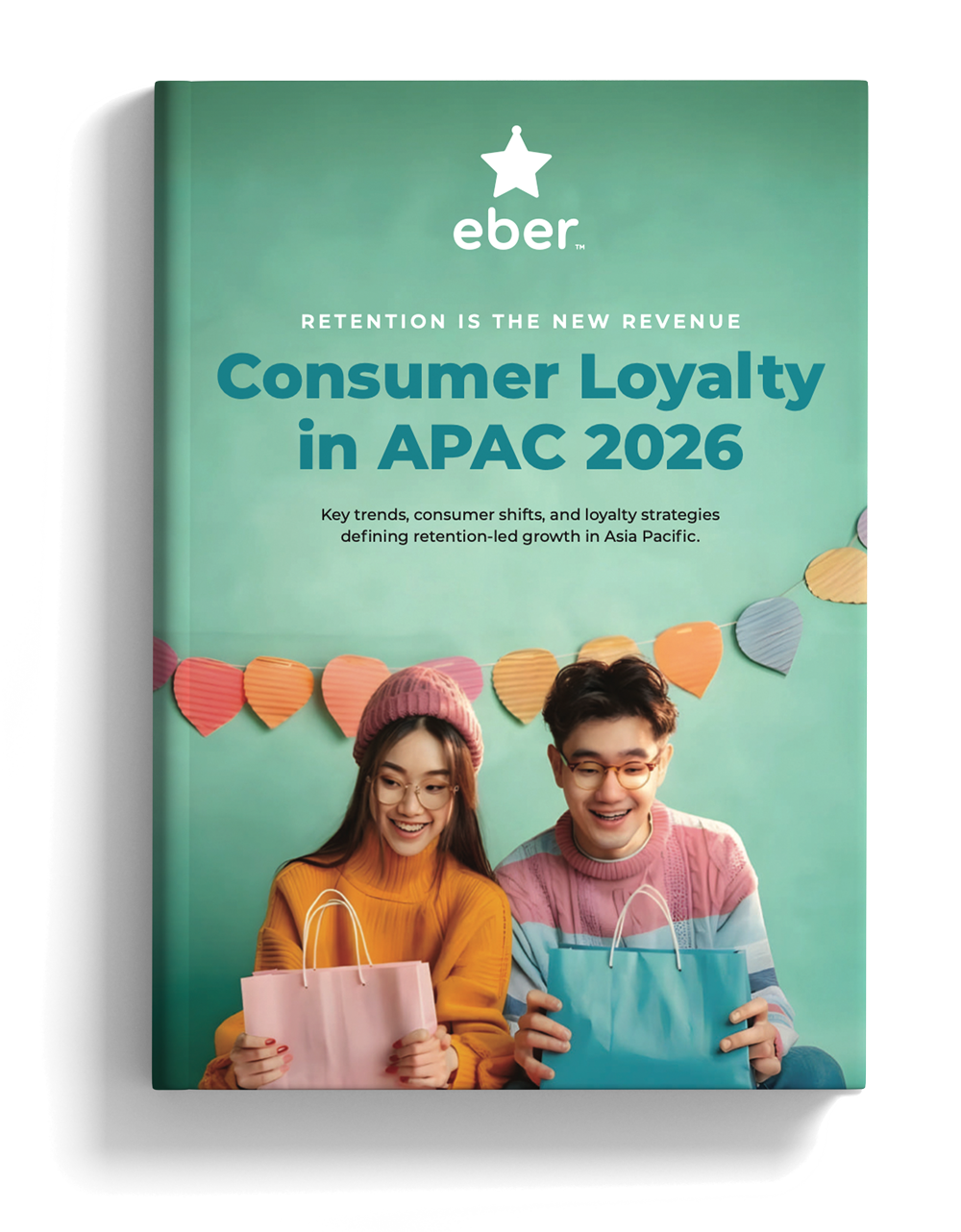
This is a fraction of what's in the full report
Consumer Loyalty in APAC 2026 breaks down loyalty markets across Singapore, Malaysia, Indonesia, and Hong Kong, paid membership and prepaid case studies, CFO-level ROI modelling by industry, and the execution gap data behind the 60% stat above.
Get the Full Report →So, Are Loyalty Programs Worth It?
For F&B brands specifically, the data shows a 4x to 6x ROI range within 12 to 24 months when the program is built around frequency and runs operationally well. Retail and hospitality see slightly lower but still strong returns, 3x to 5x.
The downside case in the same data set still returns 1.5x to 2.2x, even with basic mechanics and inconsistent staff adoption. The upside case, with habit-based design and strong operations, reaches 5x to 6.5x.
The variable that moves a program from downside to upside isn't reward generosity. It's execution: clear mechanics, visible progress, and messaging timed to actual customer behaviour.
See Your Loyalty ROI Before You Build Anything
Enter your visit frequency, average spend, and customer base. We'll estimate your potential revenue uplift and send a personalised breakdown straight to your inbox.
Try the Loyalty ROI Calculator →