How ChatGPT Is Changing Online Shopping in 2025

The New AI Shopping Gateway

For over a decade, Google search has been the dominant starting point for online shopping. Consumers searched for products, compared prices, and clicked through to retailers’ websites.

But in 2025, a new player has emerged: ChatGPT is becoming a major driver of e-commerce traffic. Retailers like Walmart, Target, Etsy, and eBay are already seeing ChatGPT referrals climb into the double digits signalling that AI-powered shopping is reshaping how consumers discover and buy products.

ChatGPT Shopping Referrals Are Surging

According to Similarweb data (August 2025):

  • Walmart: 20% of referral clicks came from ChatGPT (up 15% from July).
  • Etsy: Over 20% of referral traffic now originates from ChatGPT.
  • Target: Nearly 15%.
  • eBay: Around 10%.

While referral traffic still represents less than 5% of total visits for these retailers, the growth rate is unprecedented. Consumers are skipping search engines and clicking directly through ChatGPT shopping recommendations.

Amazon’s Strategy: Blocking ChatGPT, Building Rufus

Interestingly, Amazon has chosen a different path. Unlike Walmart and eBay, Amazon has blocked many AI crawlers from accessing its product listings, limiting ChatGPT’s ability to surface Amazon products.

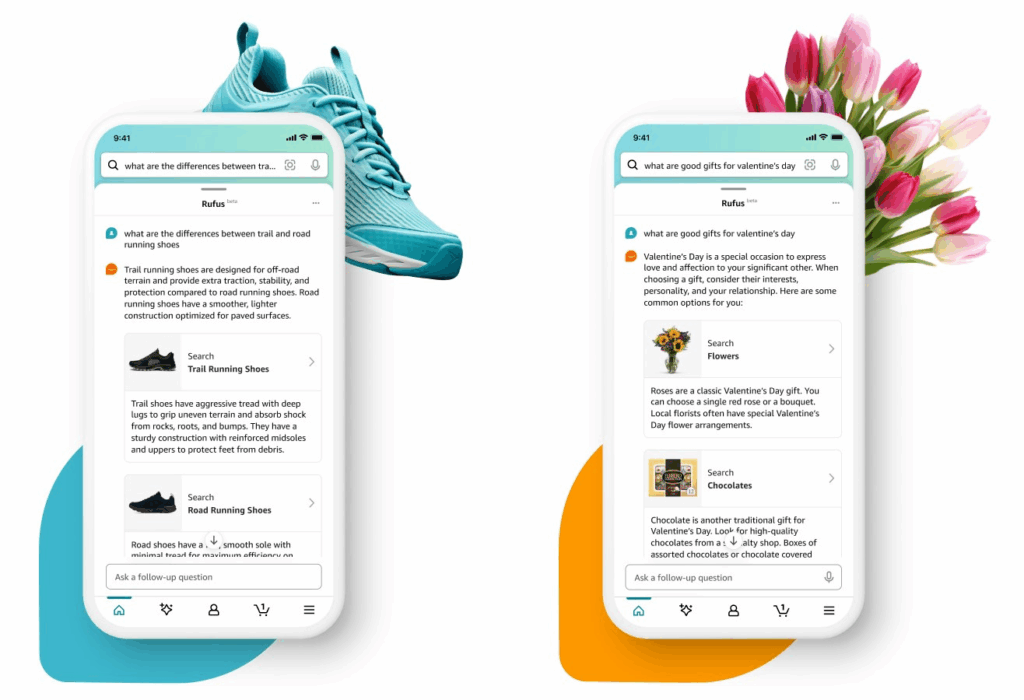
Instead, Amazon is investing in Rufus, its proprietary AI shopping assistant:

  • Built into Amazon’s search bar and app.
  • Already handling over 500 million customer questions.
  • Experimenting with in-chat advertising.

By protecting its $56 billion ad business and controlling the shopping journey, Amazon is betting that consumers will stay inside its ecosystem rather than rely on third-party AI agents.

Why Retailers Should Care About AI Shopping Trends

The shift to AI-driven product discovery is more than a passing trend:

  • 2% of all ChatGPT queries are shopping-related (~50 million per day).
  • 60% of U.S. consumers have already used generative AI tools to support online shopping (Omnisend survey, Aug 2025).
  • Today, ChatGPT referrals are free traffic — but OpenAI is testing in-app checkout and affiliate fees, which could transform the economics of e-commerce.

For retailers and brands, this means:

  • Optimizing product visibility in AI shopping recommendations.
  • Tracking referral traffic from AI tools like ChatGPT and Amazon Rufus.
  • Preparing for a future where AI agents directly influence purchasing decisions.

The Future of Agentic Shopping

Experts call this shift agentic shopping — where AI doesn’t just suggest products but autonomously completes purchases on behalf of consumers.

Even if this vision takes time, the early impact is clear:

  • Retailers are rethinking traffic sources.
  • Agencies are already helping brands optimize for ChatGPT, with some reporting 7x increases in AI-driven visits.
  • Consumer behavior is shifting toward AI as the first step in the shopping journey.

Preparing for the AI E-Commerce Era

We are only at the start:

  • Today: ChatGPT drives referrals through clickable links.
  • Tomorrow: AI platforms may become full shopping and checkout systems.

For retailers, the opportunity — and risk — is clear. Those who adapt quickly to AI shopping trends will gain early advantages in traffic, visibility, and customer engagement. Those who wait may find themselves invisible in a world where AI agents control the customer journey.

Related Posts

Transforming F&B Operations: The Power of Eber x Revel Integration In today’s competitive food and beverage landscape, operational efficiency and customer engagement …

Seamless Loyalty Meets Powerful POS: Introducing the Eber x Lightspeed Integration The difference between a one-time buyer and a loyal customer often …

Eliminating Data Silos: How Eber and Weeloy Integration Transforms Restaurant CRM and Marketing In the hospitality industry, the gap between operational systems …