Eber Partners with SleekFlow to Bridge Loyalty Programs and Conversational Commerce In today’s competitive retail landscape, delivering personalized customer experiences at scale …

Singapore’s F&B industry moves fast. With hawker favourites, café chains, and global brands all competing for the same customer spend, operators face one core challenge. Bringing customers back.
This is where loyalty programs deliver real impact. A strong loyalty strategy does more than offer perks. It builds habits, increases average spend, and creates steady, predictable revenue. For Singapore restaurants, cafés, bakeries, and quick service brands, loyalty programs have become an essential driver of long term growth.
Repeat customers are the backbone of any F&B business. While first-time customers often arrive through ads, foot traffic, or social media hype, repeat customers return because they have a relationship with your brand.
A loyalty program strengthens that relationship.
In Singapore, diners are familiar with point earning systems, stamp cards, and digital rewards. When customers know that every meal or drink earns them points toward a future reward, they begin to choose your brand more frequently. This creates a positive cycle:
This cycle significantly increases visit frequency. A customer who dines once a month may now visit two to three times because of reward incentives. Over time, the combined increase in visits leads to higher revenue without relying solely on promotions or ads.
F&B brands in Singapore often deal with unpredictable customer flow. Weekdays may be quiet, certain locations have seasonal dips, and weather conditions can affect foot traffic.
A loyalty program acts as an anchor for revenue stability.
When customers know they can earn double points during off peak hours or receive birthday perks in their birthday month, they are more likely to choose your outlet even when they have other options. This helps to stabilise traffic across different time periods.
Examples include:
These campaigns encourage customers to distribute their visits more evenly and create predictable revenue patterns that F&B operators can depend on.
One of the most direct ways loyalty programs increase revenue is by increasing the average amount spent per visit. When customers are working toward rewards or trying to reach the next membership tier, they naturally spend more.
Common behaviours include:
In Singapore, where dining options are abundant, customers appreciate the sense of value that loyalty rewards provide. They often justify spending slightly more because they see immediate or future benefits.
Research globally has shown that loyalty members spend more per transaction compared with non members. Singapore consumers follow the same pattern, especially in F&B where rewards are easy to understand and redeem.
Upselling is easier and more effective when tied to a loyalty structure.
For example:
These micro incentives influence buying decisions and make customers feel rewarded for choosing higher value options.
Singaporeans are comfortable with digital rewards and appreciate transparency in benefits. If customers see that they earn 20 extra points by adding a drink or dessert, they often agree because the reward feels immediate and meaningful.
Retention is the most profitable part of F&B operations. It costs significantly less to retain an existing customer than to attract a new one.
A loyalty program creates strong reasons for customers to return:
Without a loyalty program, many customers may forget about your brand, especially in a city filled with new cafés and restaurants opening every month. Retention tools ensure that your brand stays at the top of customers’ minds.
Unlike traditional punch cards, modern loyalty programs give F&B brands powerful data about customer behaviour.
Restaurants can segment customers by:
This allows brands to create personalised offers that resonate with specific groups. For example:
Personalised rewards increase customer lifetime value because they speak to individual habits rather than generic promotions.
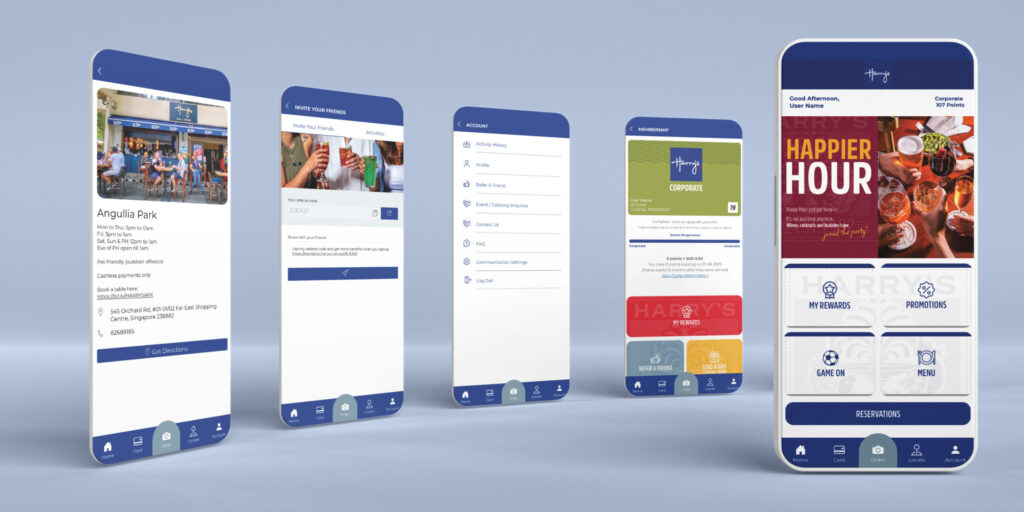
Singapore consumers expect a seamless digital experience. QR ordering, cashless payments, and mobile apps have become standard. A digital loyalty program enhances this experience by allowing customers to:
This reduces friction for customers and reduces manual work for staff. Faster, smoother processes create a positive dining experience that encourages customers to return.
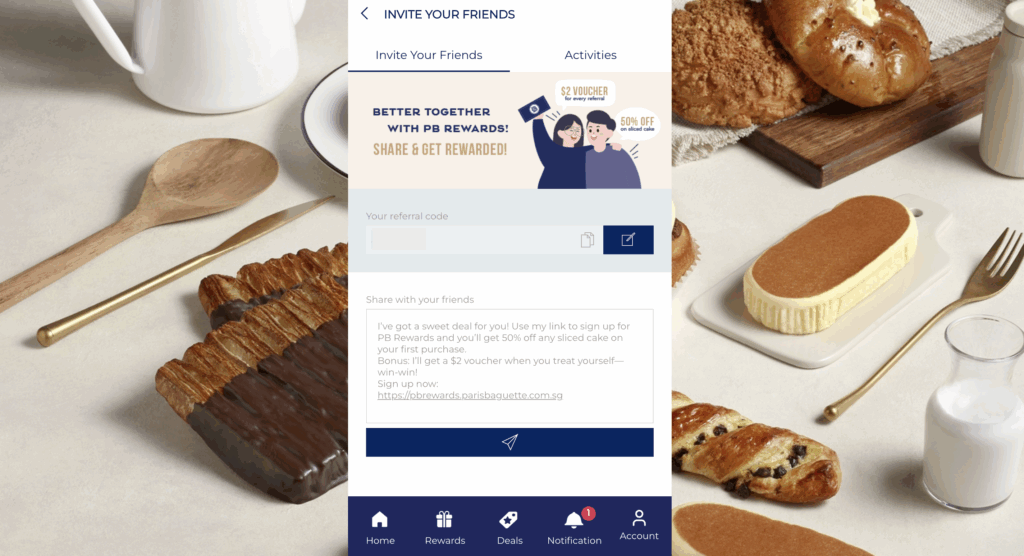
When customers enjoy benefits from a loyalty program, they naturally tell others. This is especially common for:
Word of mouth remains one of the strongest marketing channels in Singapore. Added referral rewards can amplify this effect and bring in new customers at a lower cost.
For F&B brands in Singapore, a loyalty program is no longer optional. It is a powerful revenue engine that increases visit frequency, average spend, customer retention, and long term customer value. With the right digital tools, restaurants and cafés can understand customer behaviour, personalise rewards, and create a customer experience that keeps diners coming back again and again.
Trusted by F&B brands to grow retention, increase revenue, and build long-term customer relationships.
If you’re ready to build a loyalty program that works for your business, explore how Eber can help you launch, automate, and grow your customer base. Talk to us today.
Eber Partners with SleekFlow to Bridge Loyalty Programs and Conversational Commerce In today’s competitive retail landscape, delivering personalized customer experiences at scale …
Why Smart F&B Brands Are Automating Loyalty (And You Should Too) Remember the last time your staff forgot to add loyalty points …
Transforming Restaurant Loyalty: How Eber x Inline Integration Elevates Guest Experience and Operational Excellence The restaurant industry faces a persistent challenge: bridging …