

On 22 April 2026, I attended #SheRunsBusiness: What It Takes to Build A Retail Brand Customers Love, organised by EasyStore Malaysia. What stood out from the session was how retail brand customer experience has become the defining factor for growth today, far beyond just products or pricing.
The session was held at Co-labs KL Sentral and brought together a small but highly engaged group of founders, operators, and marketers, roughly 30 to 40 people in the room.
It was one of those events where the size actually worked in its favour. Conversations felt more direct, and the sharing was practical rather than surface-level. By the end of the session, it became clear that building a retail brand today is no longer just about selling products. It is about how well you design the entire customer experience.
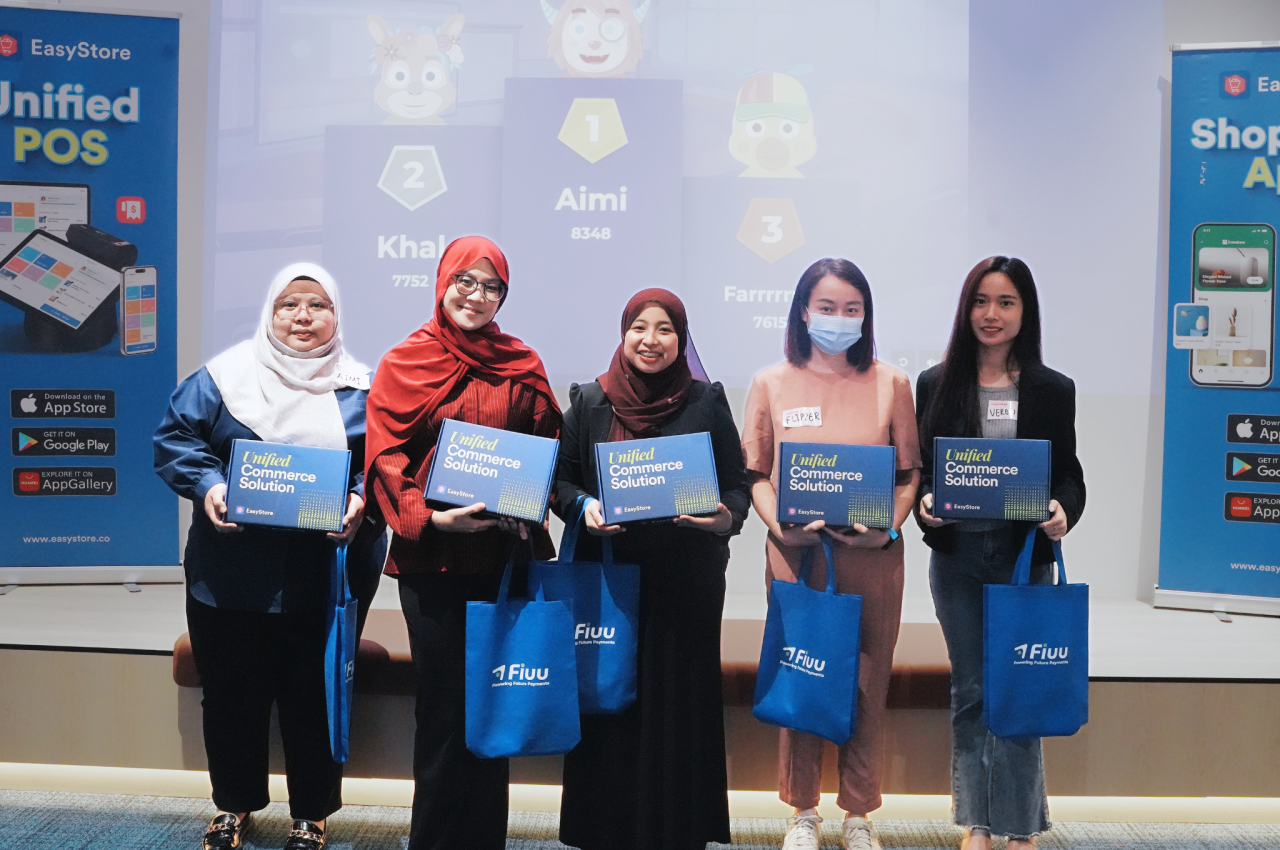
A small personal highlight for me was making it into the top 5 during the Kahoot quiz. A fun way to wrap up a session that was otherwise packed with insights.
Retail Has Changed, But Many Brands Haven’t
One of the strongest themes across the speakers was how much customer expectations have evolved.
Today’s customers expect speed, convenience, and consistency across every touchpoint. They browse on social media at night, check websites during the day, and visit stores when they have time. The journey is no longer linear, and it certainly does not happen in just one channel.
Yet many businesses are still operating with disconnected systems. One tool for POS, another for e-commerce, another for marketing, and yet another for loyalty. On paper, everything works. In reality, it creates friction.
What stood out to me was a simple but powerful idea. Many businesses think they have a sales problem. In reality, they have a customer journey problem.

When systems do not talk to each other, the impact goes beyond operations.
Inventory becomes harder to manage. Customer data becomes incomplete. Teams spend more time fixing issues instead of creating value. Over time, this leads to inconsistent experiences, and customers notice.
A practical example shared during the session was around inventory during multi-channel selling. Without real-time synchronisation, brands risk overselling or disappointing customers. It is a small operational gap that quickly turns into a trust issue.
The takeaway here is simple. Efficiency is not just about saving time. It directly affects how customers perceive your brand.
Another key shift is how loyalty is being redefined.
Many brands still treat loyalty as a rewards mechanism. Spend more, earn more. But the discussion at the event reframed this completely. Loyalty is about intentionally designing customer behaviour.
When done right, loyalty connects every part of the experience. Customers can engage online and offline without feeling like they are interacting with two different brands. It becomes one relationship, not multiple disconnected ones.
What made this especially interesting was the revenue impact shared. Increasing repeat purchase rates even slightly can significantly change the outcome of a business. Not because of more customers, but because of better relationships with existing ones.
It reinforces a principle that is easy to overlook. New customers cost money. Existing customers multiply it.

Beyond systems and loyalty, branding was another major focus.
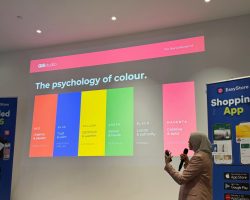
A point that stayed with me was how quickly people form opinions about a brand. In just a few seconds, customers decide whether something feels trustworthy, premium, or worth their attention.
Branding, in this context, is not just about logos or colours. It is about consistency across every touchpoint. Visual identity, tone of voice, and overall experience all need to align.
When these elements are disconnected, the brand feels off. Even if the product is good.
On the flip side, when everything is consistent, it builds trust. And trust is what drives purchase decisions, especially in categories where customers have many options.
The final theme that tied everything together was the role of personal branding and content.
In today’s environment, visibility matters. Founders and teams are no longer behind the brand. They are part of it. Customers want to see real people, real stories, and real experiences.
Building an audience organically, staying consistent with content, and making it easy for customers to buy are no longer optional. They are part of the growth strategy.
What stood out here was the reminder that trust does not start with the brand. It starts with people. Once that trust is built, conversion becomes much easier.

Looking across all three themes, a clear pattern emerged.
The brands that are winning today are not necessarily the biggest. They are the ones that are more connected.
Connected systems
Connected data
Connected experiences
And most importantly, a clear understanding of how all these pieces come together to shape the customer journey.
Events like this are a good reminder that the fundamentals of retail are changing, even if the products themselves are not.
Customers expect more. Not just better products, but better experiences. And that experience is shaped by everything happening behind the scenes, from systems to branding to how a brand shows up in everyday interactions.
If you are building a retail brand today, the question is no longer whether you need loyalty, branding, or better tools. It is how well these elements work together to create a consistent and meaningful experience for your customers.
And increasingly, more brands are starting to rethink how to bring all of this together, rather than managing each piece separately.



Stay close to what we’re learning from partners, or explore how we work together:
Get event recaps, product learnings, and partner insights from across the ecosystem.
Have a question or want to explore a potential collaboration?
Leave your details and we’ll reach out.