


How Shake Shack Built Connections Before Conversion
When Shake Shack opened its first Malaysian outlets, the team made one decision that set them apart: they didn’t rely on reputation alone.
Instead, they built a system to learn about their customers from day one — before customers had decided whether they liked the food.
This is how Shake Shack used quizzes, free WiFi, and a different loyalty philosophy to build something more durable than a points program: genuine brand familiarity.

The Problem with Reputation-Led Loyalty
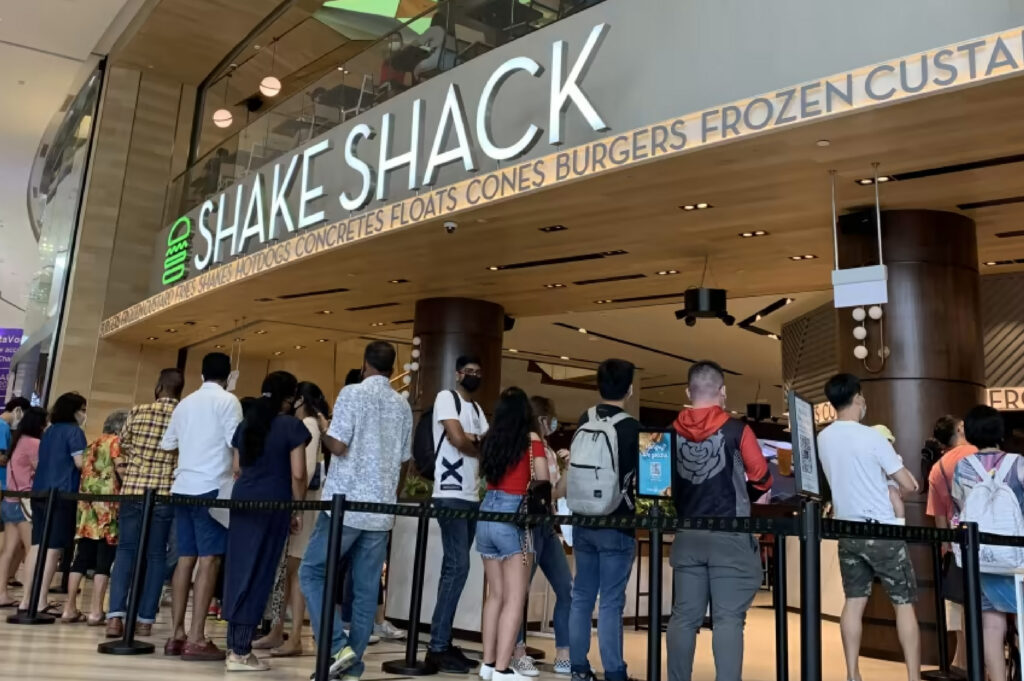
Global brands entering new markets have a built-in advantage: awareness. When Shake Shack opened in Malaysia, curious customers showed up. The queues were real.
But awareness is not loyalty. A customer who queues once out of curiosity is not the same as a customer who returns every week. The brands that build lasting loyalty in new markets are not the ones who rely on their reputation — they are the ones who use the opening period to learn about new customers and build relationships that outlast novelty.
Shake Shack understood this clearly. “The burgers may bring people in, but what matters more is what happens after the first visit.”
Rather than pushing promotions, they focused on small, interactive moments that helped customers learn about the brand — while the brand learned about them.
Turning Onboarding into an Experience: The Quiz Mechanic
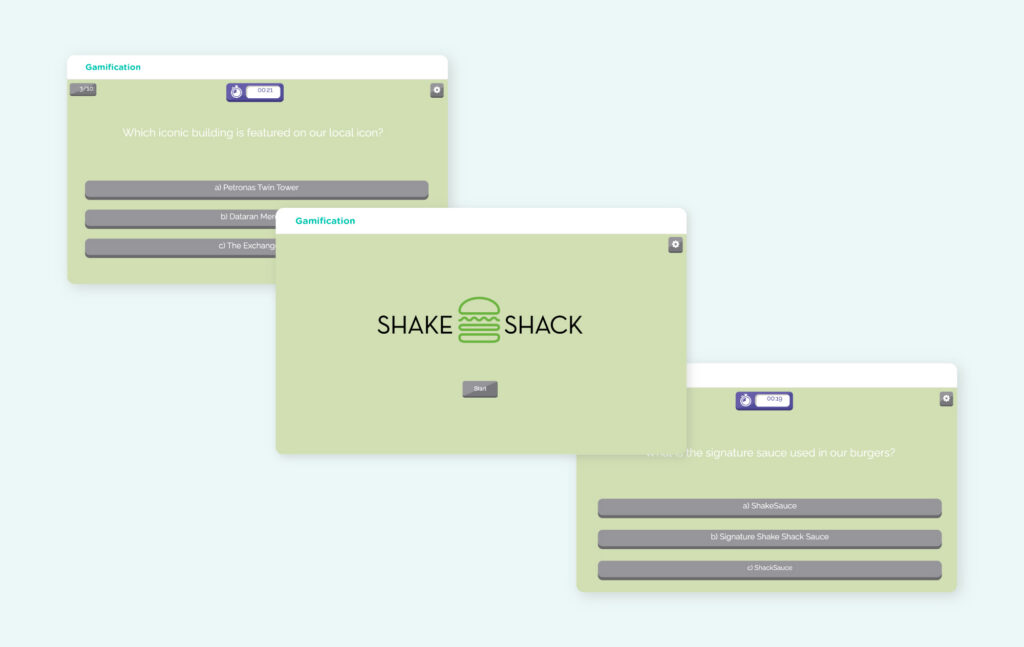
The most distinctive element of Shake Shack’s loyalty approach in Malaysia was not points or discounts. It was quizzes.
Rather than guiding new customers through a standard sign-up flow, Shake Shack introduced simple interactive quizzes that introduced the brand’s story, values, and personality. The mechanic worked on two levels simultaneously.
For the customer: The quiz made onboarding an experience, not an admin task. Customers left with a story, not just a meal.
For the brand: Quiz responses revealed local preferences and engagement patterns. Shake Shack was learning about Malaysian customers while they were learning about Shake Shack.
The quiz mechanic treats onboarding as the first act of the customer relationship — meaningful, memorable, and mutual. Eber’s APAC Consumer Loyalty Report 2026 confirms: loyalty programs are no longer just reward systems — they are engagement platforms.

Why This Approach Matters for Malaysian Brands
Malaysia’s loyalty market has specific characteristics that make Shake Shack’s approach particularly relevant.
NielsenIQ’s 2023 report notes 69% of Malaysians join F&B loyalty programs, but only 30–40% stay active without ongoing communication. The brands that close this gap create memorable onboarding experiences and follow up consistently.
Eber’s APAC Report 2026 confirms: emotional loyalty outperforms transactional loyalty across Southeast Asia. Shake Shack’s quiz builds emotional connection from the very first interaction.
Loyalty as Brand Infrastructure
Perhaps the most important insight from Shake Shack’s Malaysian launch is this: loyalty is not something you build around your brand. It is part of the brand experience itself.
Most brands enter new markets with their product as the lead and their loyalty program as a supporting element — something to add once customers are coming in. Shake Shack inverted this. The loyalty program, with its quizzes, WiFi integration, and data capture, was built into the launch strategy from the beginning.
Learning about customers was not something that happened after the brand was established. It happened from day one.
This philosophy aligns with Eber’s APAC report finding that brands treating loyalty as core infrastructure — alongside payments, CRM, and commerce systems — consistently outperform those treating it as a marketing add-on.
Five Things Brands Can Learn from Shake Shack’s Approach
1. Redesign your onboarding as an experience. If your loyalty signup process is just a form, you’re missing an opportunity. Use the first interaction to teach customers something meaningful about your brand — a story, a value, a unique detail that makes you memorable.
2. Meet customers at their moment of maximum engagement. WiFi integration, table-side QR codes, in-store games — find the moment during the visit when your customer is most engaged and most open to building a relationship. That is your loyalty entry point.
3. Use data collection as a value exchange. Every question you ask should give customers something in return — a reward, an insight, a personalised recommendation. Data collection should feel like a conversation, not a compliance form.
4. Build for learning, not just retention. The goal of loyalty is not only to keep customers returning — it is to understand them well enough to keep improving the experience. Design your program to generate insight alongside engagement.
5. Treat every loyalty interaction as brand communication. Every push notification, every reward, every quiz question is a chance to reinforce what makes your brand distinctive. Use it with intention.
Entering a New Market Is Not Just About Opening Stores
Shake Shack’s Malaysian launch demonstrates that the most successful global brands don’t just bring their product to a new market — they bring their system.
The burgers matter. But what determines loyalty is whether the brand has built a system that makes the second visit feel inevitable.
Quizzes, WiFi integration, and thoughtful onboarding — woven into a coherent strategy from launch — become the foundation of something far more durable than points: a loyal customer base that grows with the brand.
Eber provides the loyalty infrastructure that helps global and regional brands build meaningful customer relationships from day one. Discover how Eber’s WiFi integration and engagement tools can work for your brand at eber.co.