Why Eber’s ISO 27001 Certification Matters for Your Business Every time a customer scans a QR code at your counter, redeems a …
Mr TukTuk is a multi-outlet Thai restaurant chain across Malaysia with a loyal following built over years. Their challenge was familiar: how do you turn occasional diners into regulars at scale, without a system so complex it breaks down in daily operations?
Before launching a structured loyalty program, Mr TukTuk’s challenges were clear:
Mr TukTuk’s impressive results can be traced to three specific design principles that shaped every decision in how their loyalty system was built and operated.
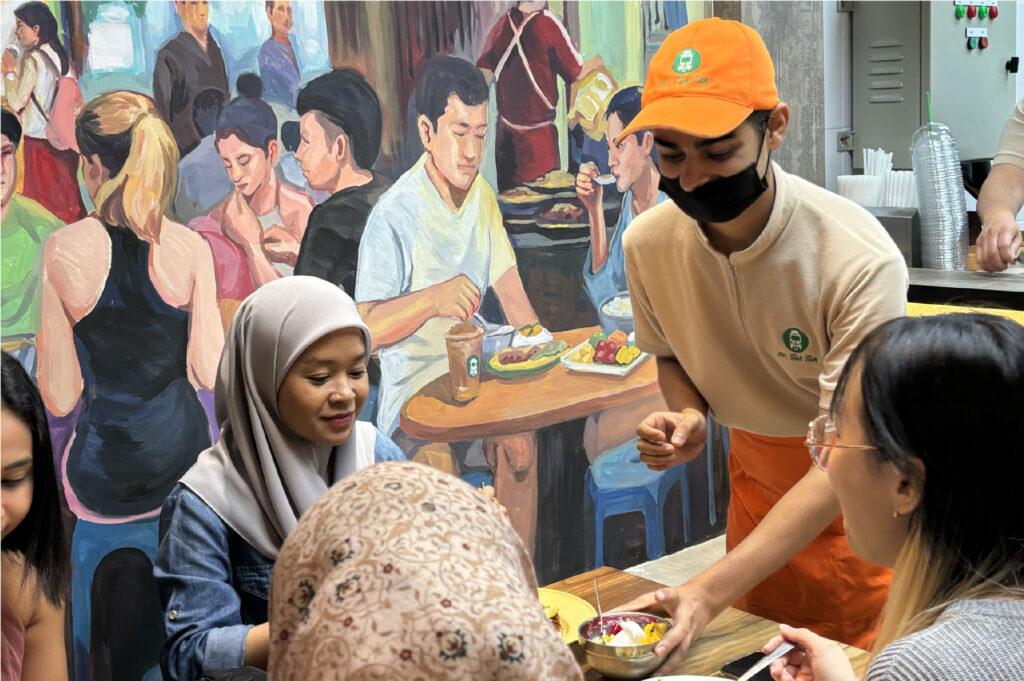
The loyalty system had to be easy to operate at every outlet, with no loyalty expertise required from front-of-house staff. Points, tier progression, and reward triggers all ran automatically in the background. Staff simply invited customers to join and processed transactions as normal.
The result: a program that felt invisible to operations.
Even the best loyalty system fails if staff don’t promote it. Mr TukTuk ensured minimal training was enough — staff could explain the program in one sentence: “Join now, earn points with every visit, unlock rewards.”
When staff are confident, signups happen naturally as part of service.
The third principle addressed the most important question any loyalty member asks: “Am I making progress?”
Programs that obscure progress — where points accumulate invisibly, rewards feel distant or unclear, and tier benefits are buried in fine print — create disengagement. Mr TukTuk designed their program so that tier upgrades and ongoing rewards created a visible sense of momentum for every member.
Every interaction reinforced the same message: you are getting closer to something valuable. That sense of forward motion is what drives repeat behaviour — not the value of the reward itself, but the visible progress toward it.
Within a short period of launching their structured loyalty system, Mr TukTuk recorded results that validated all three design principles clearly:
100+ repeat customers per 1,000 members — the core metric showing the program converts signups into genuine regulars.
20% higher average spend among returning members — loyalty compounds. Returning members spend more as familiarity and trust deepen.
80% voucher redemption rate — industry average in Malaysia is 30–60%. An 80% rate means members are actively using the program on nearly every visit.
What drives 80%? Clarity and simplicity. When customers can see rewards at a glance and redemption is frictionless, they redeem.

Eber’s APAC Consumer Loyalty Report 2026 confirms the pattern: simple, automated loyalty systems outperform complex programs when frequency is the goal.
60% of SEA marketers struggle to operationalise loyalty consistently. The barriers are operational: teams forget to promote, messaging is irregular, redemption slows checkout.
Mr TukTuk’s system addressed all of these — simple training, automated triggers, frictionless redemption, clear rewards.
The programs customers love most are the easiest to understand. Eber’s APAC report confirms: APAC consumers reject programs with unclear rewards, confusing tiers, and delayed benefits.
For Mr TukTuk members, the answer to “why do you come back?” is simple: earn points, get rewarded, repeat. Simple enough to explain in 10 seconds — compelling enough to drive 80% redemption.
If you are building or rebuilding a loyalty program for a multi-outlet restaurant brand, Mr TukTuk’s case study offers clear, actionable guidance.
1. Design for your front-of-house team first. If your staff cannot explain the program in under 30 seconds, it is too complex. Simplify it until they can, and watch signup rates increase without any additional investment.
2. Automate the mechanics, humanise the experience. The system should handle points, tiers, and reward triggers automatically. Staff should focus on creating a warm experience that makes customers want to join — not on explaining loyalty program mechanics.
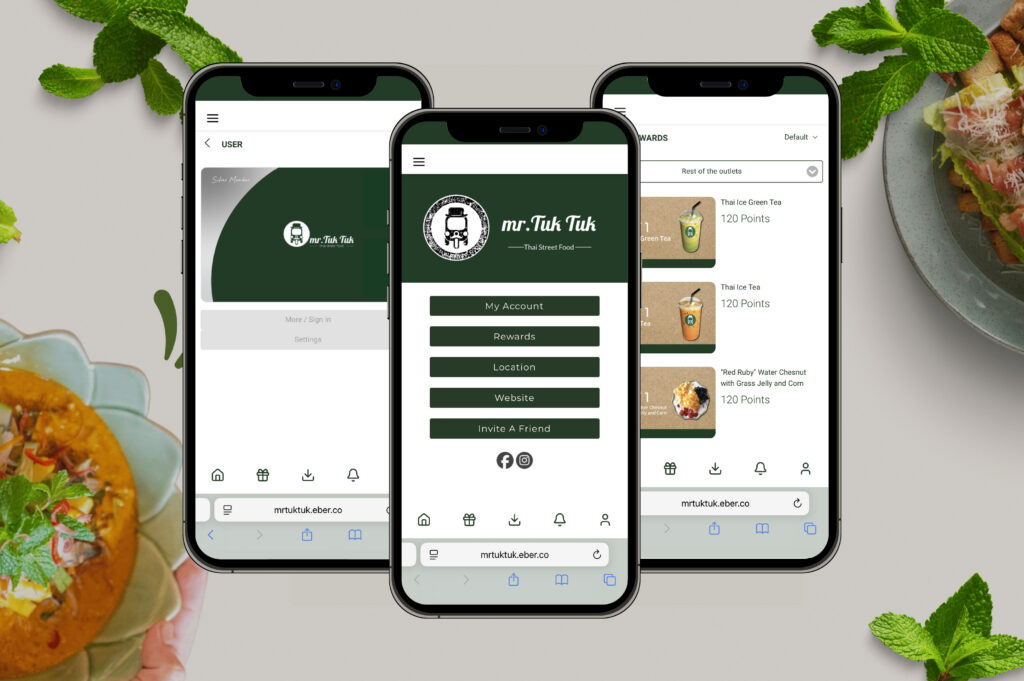
3. Make progress visible at every touchpoint. Show members where they are, what they’ve earned, and what they’re working toward. A progress bar or clear tier indicator does more to drive return visits than doubling the reward value.
4. Use redemption rate as your primary loyalty health metric. If your voucher redemption rate is below 50%, investigate why. The problem is almost always either awareness (members don’t know they have rewards) or friction (redemption is too complicated or takes too long).
5. Start simple — add complexity only when proven necessary. It is far easier to add features to a working simple program than to simplify a broken complex one. Begin with the essentials: join, earn, redeem. Build from there based on what customers actually engage with.
Mr TukTuk stopped treating loyalty as a campaign and started treating it as operational infrastructure.
The system runs quietly, turning one-time visitors into regulars. Staff promote it because it’s easy to explain. Customers use it because it’s easy to understand.
The results compound into something no campaign can replicate: a loyal customer base that returns out of habit, not promotions.
Loyalty scales by removing friction — not by adding features.
Eber is the loyalty marketing platform behind Mr TukTuk’s program and hundreds of other brands across Malaysia, Singapore, and the wider APAC region. See how Eber can help you simplify your loyalty strategy at eber.co.
Why Eber’s ISO 27001 Certification Matters for Your Business Every time a customer scans a QR code at your counter, redeems a …
Why “Wait and See” Is a Loyalty Trap The conventional wisdom: gather data first, build loyalty later. But this ignores a critical …
How to Build a Magento Enterprise Loyalty Program That Drives Repeat Revenue A practical guide for Magento Enterprise (Adobe Commerce) retailers who …
See how Eber helps your business build loyalty, reduce churn, and grow repeat revenue. Get in touch and our team will reach out to you.