

How to Build a Loyalty Program That Actually Changes Buying Behavior
Most loyalty programs fail before launch. Not because the tech is bad or the rewards aren’t generous enough, but because brands build them backwards. They pick the mechanic first: points, tiers, cashback, stamps. Then they try to reverse-engineer a reason for customers to care.
The order should be flipped. Decide what behavior you’re trying to change first. The mechanic comes after.
Start with the behavior, not the reward
Before you touch a single reward structure, answer one question: what do you actually want more of?
- More repeat visits
- Bigger basket size per visit
- More referrals from existing customers
- Longer customer lifespan before churn
These are different problems with different fixes. A retailer trying to lift basket size needs a different structure than a cafe trying to get people back in the door twice a week. Skip this step and you end up with a generic points program that looks good in a pitch deck but does nothing to your actual sales numbers.

Know your margin before you set the rate
A generous reward rate feels good to announce. It feels a lot less good three months later when finance asks why loyalty redemptions are eating into margin faster than the program is driving repeat revenue.
Work out your margin per transaction before deciding on point values, discount tiers, or cashback percentages. A program that can’t sustain its own reward rate at scale isn’t a loyalty program, it’s a slow leak.
Match the structure to how often people actually buy
The right loyalty mechanic depends on purchase frequency, and this is where a lot of brands copy a structure that doesn’t fit their business.
- High-frequency, low-ticket (cafes, salons, bubble tea): a simple digital stamp card works better than a complex points system. Customers want to see progress fast.
- Mid-frequency (F&B chains, casual retail): points with a redeemable threshold makes sense, since customers return often enough to build a balance worth chasing.
- Low-frequency, high-value (furniture, electronics, premium retail): tiered membership with status perks tends to outperform points, since the purchase cycle is too long for points to feel meaningful.
A multi-outlet retail brand in Singapore and an F&B chain in Malaysia might be solving the same underlying problem (getting first-time buyers to come back a second time) but the right mechanic for each looks completely different because of how often their customers actually walk in.

Fix the data foundation before you launch anything
A loyalty program is only as good as the customer data behind it. If your POS can tell you what sold but not who bought it, a loyalty program bolted on top just automates that blind spot faster.
Before launch, make sure you can actually answer: who are your repeat customers, what do they buy, and how often do they come back? If those answers aren’t there yet, the loyalty program isn’t the first fix you need.

Launch narrow, then expand
Don’t roll a new program out to every customer on day one. Soft-launch to your most loyal existing segment first, the ones already buying often, and use that group to stress-test the mechanic before it’s customer-facing at scale.
This catches problems (reward rates that are too generous, redemption flows that confuse people, tiers that nobody reaches) while the blast radius is still small.

Automate the follow-through
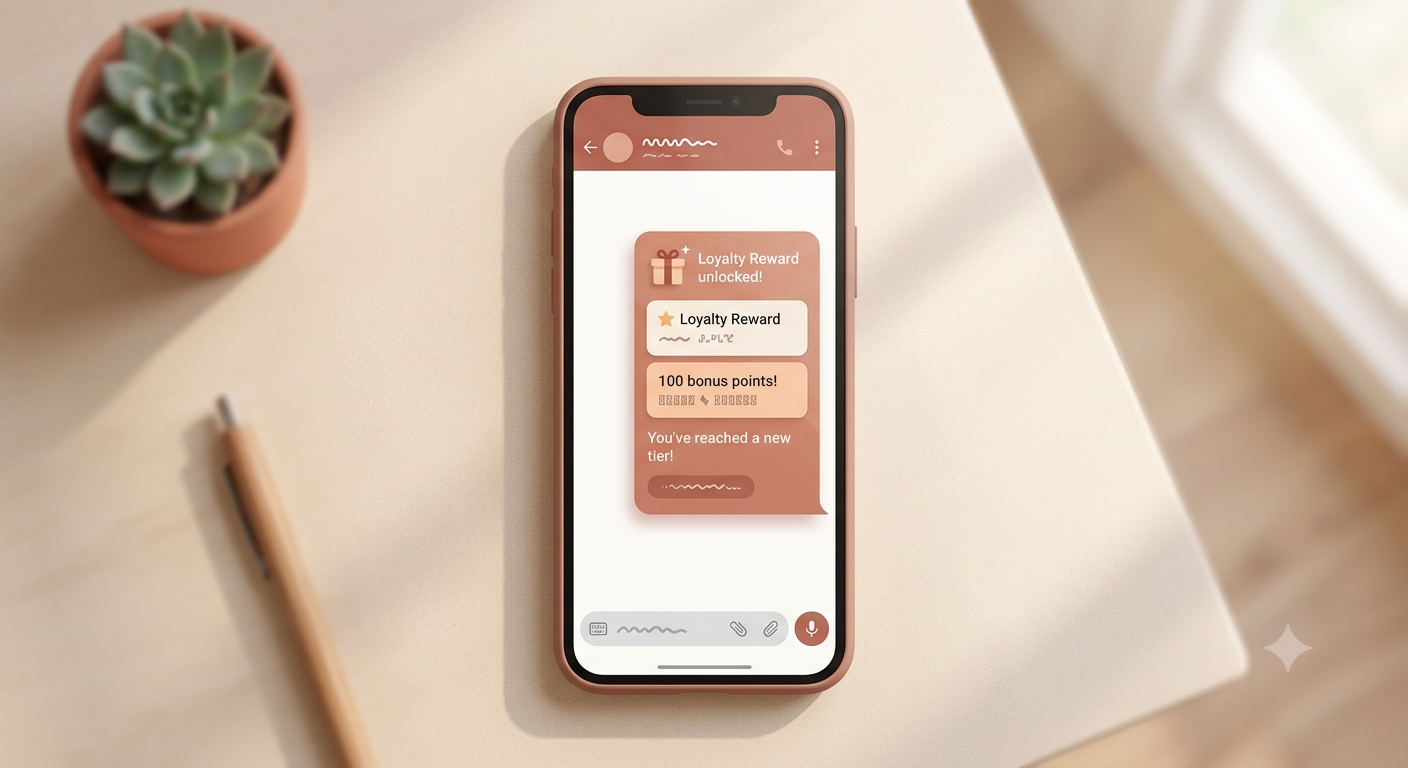
A loyalty program that only exists as a static points balance in an app does half the job. The other half is reaching people at the right moment: a WhatsApp nudge when a customer’s about to lapse, a message when they’re one visit away from a reward, a birthday voucher that actually lands on their birthday.
This is where the mechanic turns into an actual retention engine instead of a dashboard nobody checks.
The takeaway
A loyalty program isn’t a reward structure you bolt onto checkout. It’s a system for changing what customers do, built in this order: decide the behavior, protect the margin, match the mechanic to purchase frequency, fix the data first, launch small, then automate the follow-up.
Get that order right and the program pays for itself. Get it backwards and you’re just subsidizing customers who were going to buy from you anyway.
Stay close to what we’re learning from partners, or explore how we work together:
Get event recaps, product learnings, and partner insights from across the ecosystem.
Have a question or want to explore a potential collaboration?
Leave your details and we’ll reach out.