

Why Your Customers Are Bored of Your Points System

A loyalty rewards program Malaysia brands set up five years ago probably still looks the same today: spend money, earn points, redeem points. Simple.
It’s also forgettable.
Most loyalty programs in Malaysia and Singapore still run on this flat structure, and most customers have stopped noticing it. A points balance that never changes shape gives someone no reason to come back this week instead of next month. It’s a ledger, not a reason.
The brands seeing real repeat-visit lift in 2026 aren’t offering more points. They’re offering progress. A tier to climb. A streak to protect. A surprise that shows up right when it matters. Small mechanics, but they change the question a customer asks from “how many points do I have” to “what happens if I come back tomorrow.”
Tiers Give Customers Something to Climb
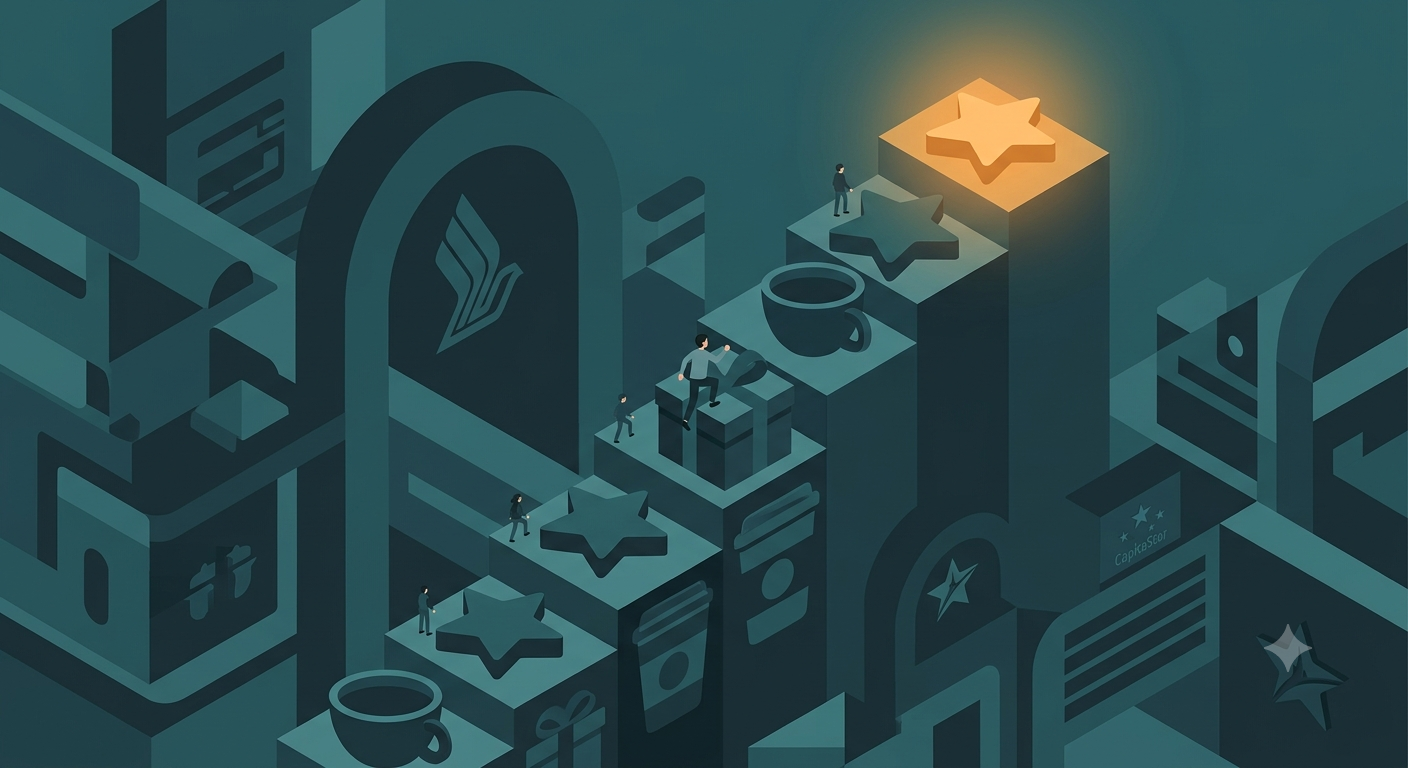
A flat program has one ceiling. A tiered program has a staircase.
Customers start at a base level and unlock better benefits as they engage more, whether that’s faster rewards, early access, or perks that feel earned rather than handed out. The mechanic works because it taps into something simple: people like status, and they like knowing exactly how close they are to the next one.
For a multi-outlet F&B brand, this might look like a “regular” tier that unlocks after five visits, with a small but visible perk like a free add-on. For a retail brand, it might be a spend threshold that unlocks early access to new drops. The reward matters less than the visibility of the climb.
The mistake most brands make is building tiers that are too far apart, so customers give up before they feel any momentum. The tiers that work are the ones where the next unlock always feels close.
Streaks Turn a Single Visit Into a Habit
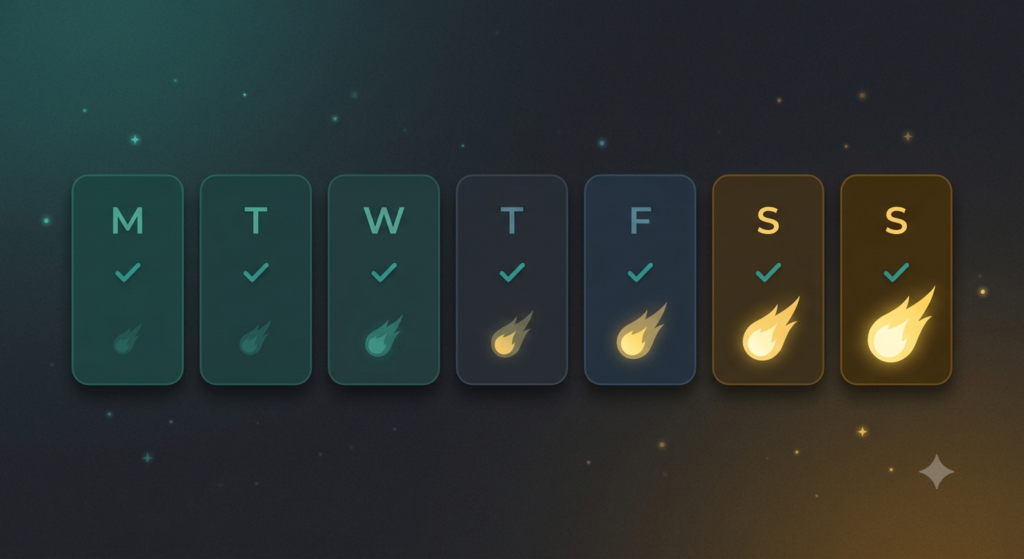
A streak reframes a purchase from a one-off transaction into part of a pattern the customer doesn’t want to break.
This is the same mechanic behind daily login rewards in apps and gyms that reward consecutive check-ins. For F&B brands, a simple “visit 3 weeks in a row, get your 4th coffee free” does more for retention than a generic points multiplier, because it gives the customer a countdown instead of a balance.
Retail brands can adapt the same logic around browsing or repeat purchases within a season, especially where purchase cycles are longer. The mechanic doesn’t need to be complicated. It needs to be visible, and it needs a small cost to breaking it.
Surprise Unlocks Keep the Program From Feeling Robotic

Predictable rewards are useful. Entirely predictable rewards are ignorable.
A surprise unlock, a random bonus, a birthday-week perk that arrives without being asked for, an unexpected upgrade after a milestone purchase, works because it breaks the pattern the customer has already mentally priced in. It doesn’t replace the core tier or streak mechanic. It sits on top of it, as the occasional reminder that the program is paying attention.
This is also where WhatsApp and other direct channels earn their keep. A surprise reward means little if the customer has to log into an app to discover it. Delivered as a message at the right moment, it reads as attentiveness instead of automation.
What This Looks Like Across F&B and Retail
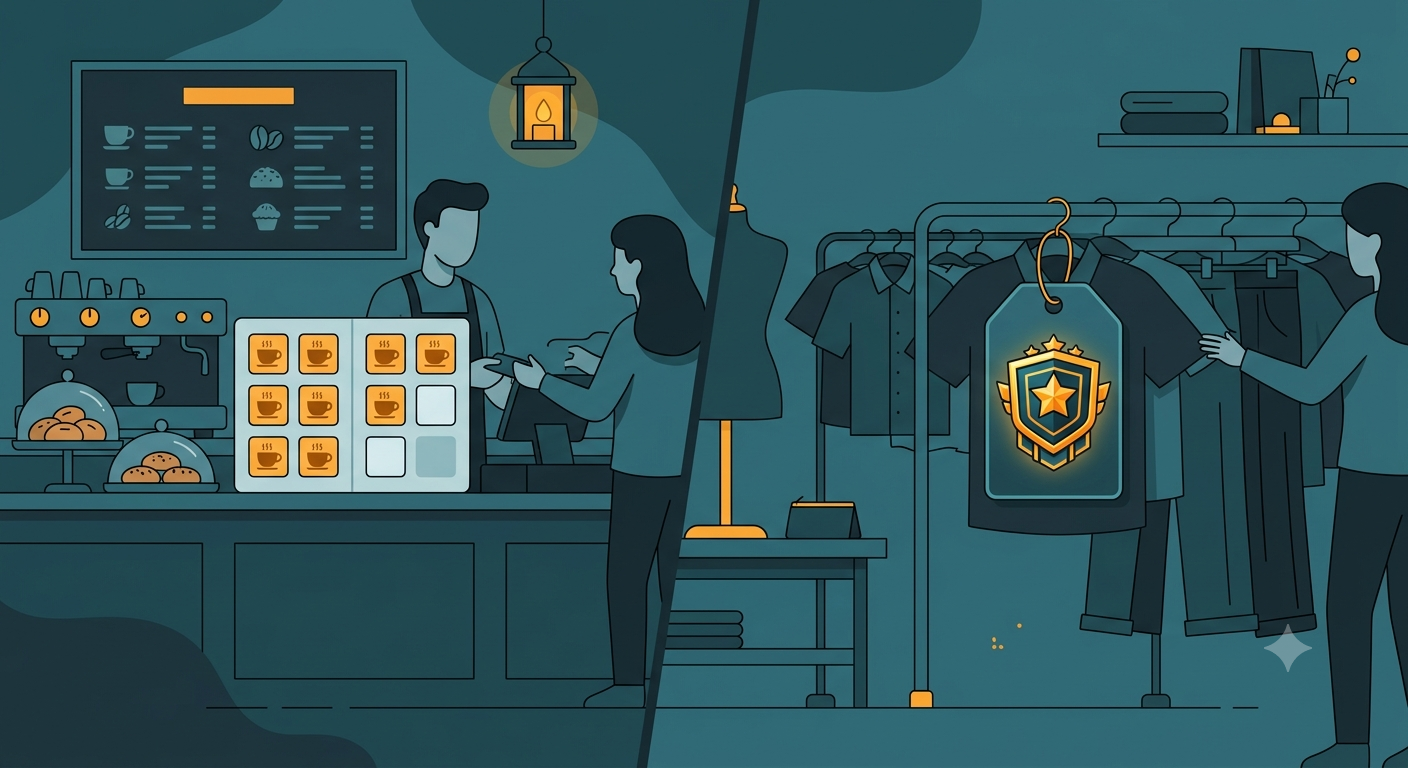
The mechanics are the same. The pacing is different.
F&B loyalty runs on frequency. Visit cadence is short, so tiers and streaks should reward weekly or biweekly behaviour. A customer should feel movement within a month.
Retail loyalty runs on spend and consideration. Purchase cycles are longer, so tiers should be built around spend thresholds and access rather than visit counts, and streaks work better tied to browsing, wishlist activity, or seasonal shopping windows rather than daily visits. This only works once a retailer can actually tell their loyal customers apart from their frequent deal-hunters, since a tier structure built on the wrong signal rewards the wrong people.
Brands that try to force retail pacing onto an F&B program, or vice versa, end up with tiers nobody reaches or streaks nobody notices. The mechanic has to match how the customer actually behaves in that category.
Where Most Loyalty Rewards Programs in Malaysia Get Stuck
The technology isn’t usually the blocker. Most POS and CRM systems can already track visit frequency or spend.
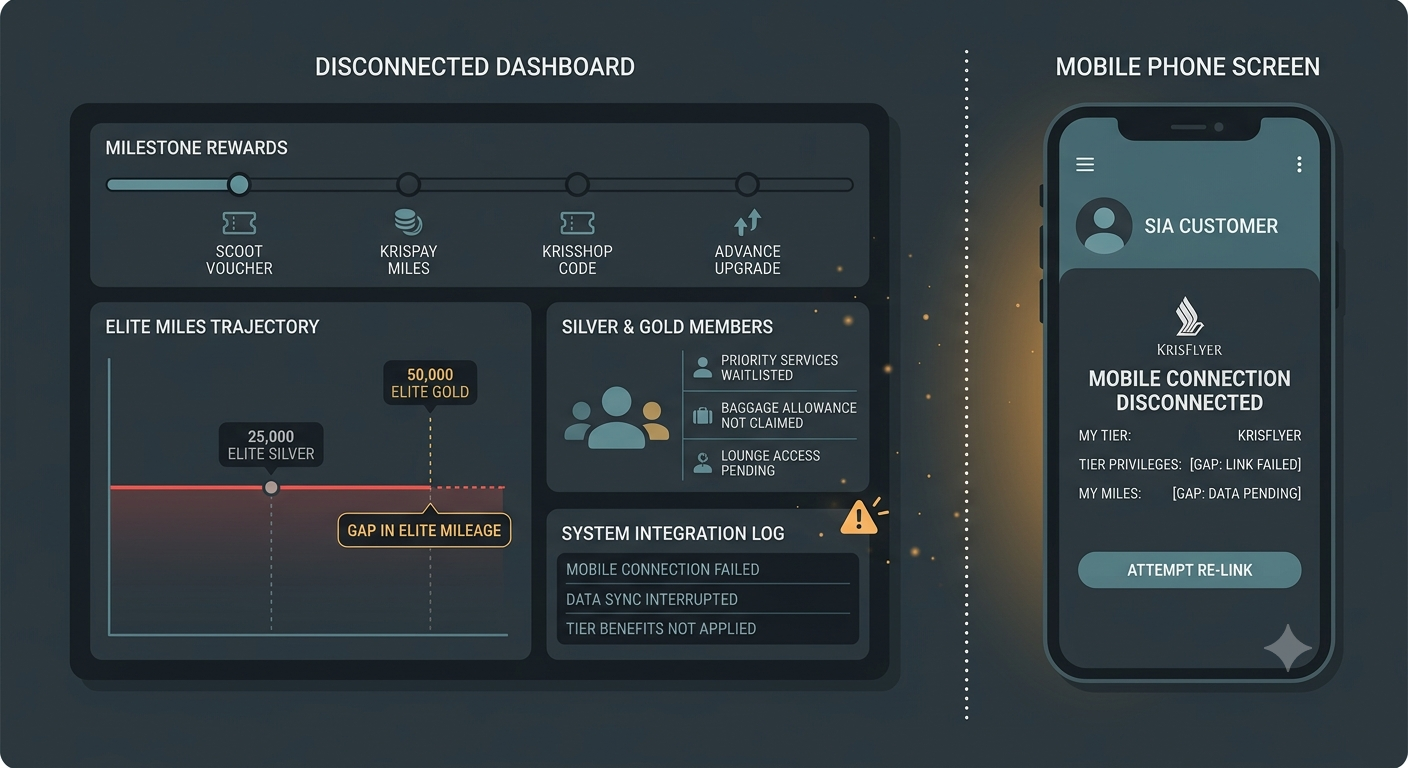
The gap is turning that data into a visible, real-time structure the customer can actually see themselves moving through. A tier that only shows up on a backend dashboard doesn’t drive behaviour. A tier the customer can check on their phone, with a clear next milestone, does.
This is the part of the loyalty rewards program conversation that gets skipped most often in Malaysia and Singapore: not whether to have a program, but whether the program gives customers something to actively track.
Building This Without Overcomplicating It
None of this requires a full gamification platform on day one.
A workable starting point looks like:
- One tier structure with two to three levels, spaced close enough that customers reach the next one within a few visits
- One streak mechanic tied to the natural purchase cycle of the vertical (weekly for F&B, seasonal for retail)
- One surprise mechanic, kept genuinely occasional, so it doesn’t become the new expected baseline
- A way for the customer to see their own progress, whether through WhatsApp updates, an app, or a simple SMS nudge
Brands that try to launch all of this at once usually stall on the tech integration. Brands that start with one mechanic, get it working, and layer in the next tend to actually ship.
Eber helps F&B and retail brands in Malaysia and Singapore build loyalty rewards programs around real customer behaviour, not just points. Book a demo to see how tiers, streaks, and real-time rewards can fit your business.
Stay close to what we’re learning from partners, or explore how we work together:
Get event recaps, product learnings, and partner insights from across the ecosystem.
Have a question or want to explore a potential collaboration?
Leave your details and we’ll reach out.